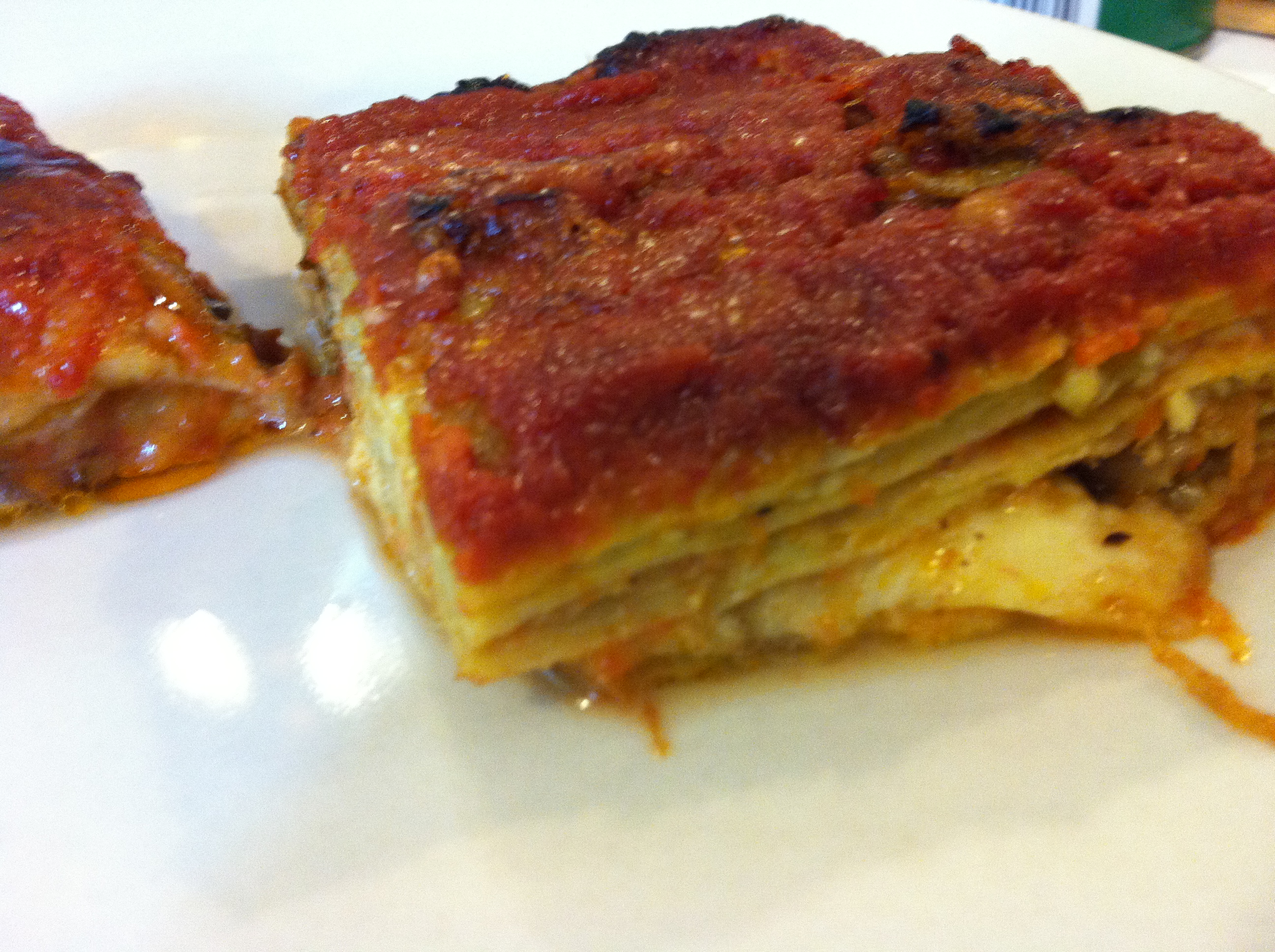
 Last September, we took a lovely group of people on a food and wine tour of Naples and Campania, one of my favorite regions. It might be because my grandmother came from a small town, Montella, in the mountains to the east of Naples and so the food and language feel familiar to me. But it’s more likely that the fresh seafood, mozzarella, easy-drinking wines, fried food and local pastry like baba and sfogliatelle have won my heart. Not to mention my stomach.
I have made some wonderful friends down there. They are open and fun and love a lively discussion about food. One of the highlights of our trip is always a cooking class with my friend Concetta where we learn the myriad ways of making parmigiana di melanzane – eggplant parmigiana.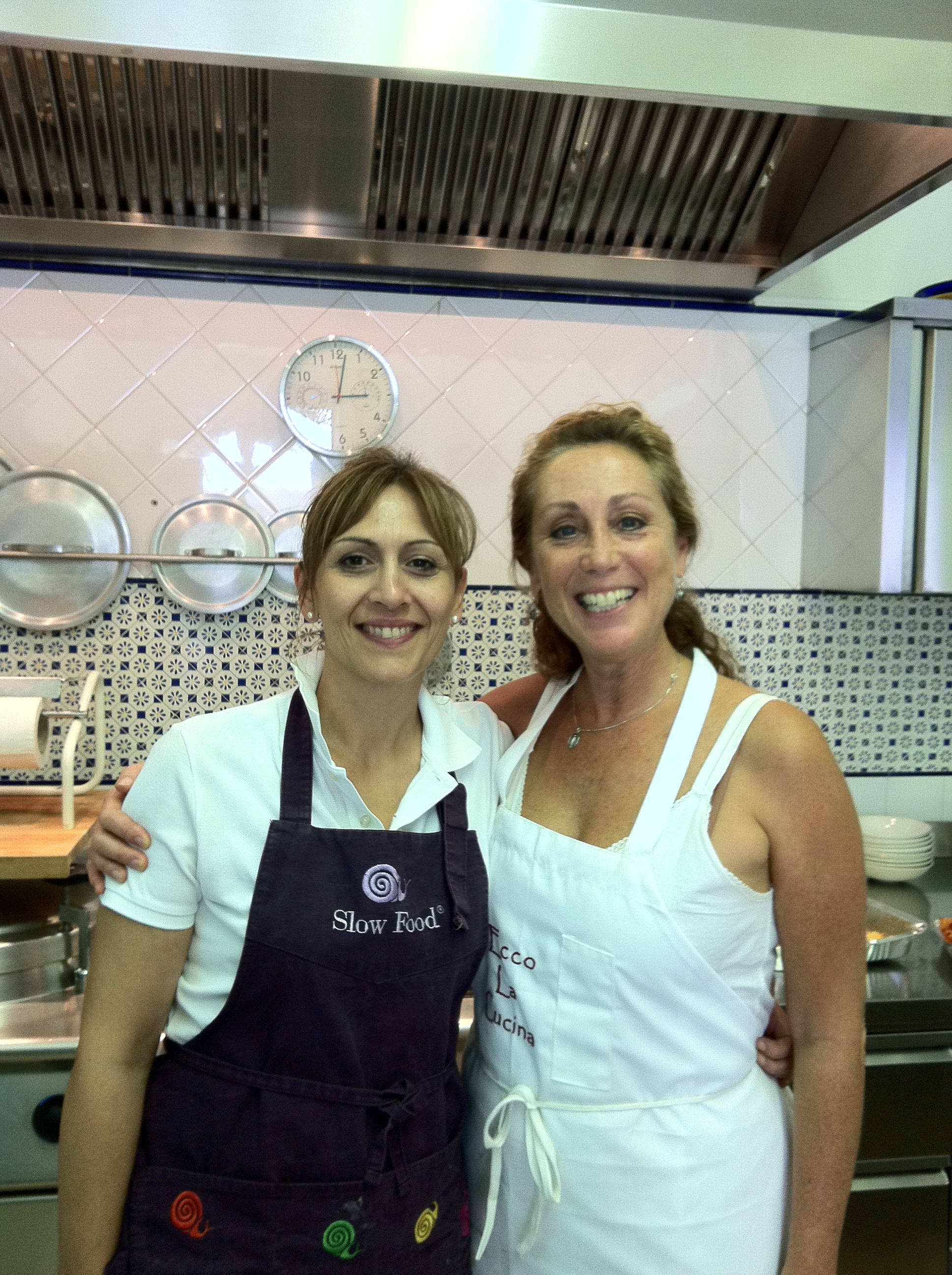
A word about the name: while it sounds like a referral to the parmigiano cheese that is put in the dish, many incorrectly assume that it’s a dish originating in the city of Parma, in the northern region of Emilia Romagna. Actually,the origins of parmigiana are neither related to the city of Parma nor to the fact that you might use Parmigiano Reggiano cheese as an ingredient. As my good friend and master chef Odette Fada points out:
sound frequently becomes a “gee” in southern Italy. For this reason the palmisciana became parmigiana in Italian. This hypothesis is shared by the majority of food writers, either Italian as Eugenio Medagliani or not, as the American Mary Taylor Simeti.”
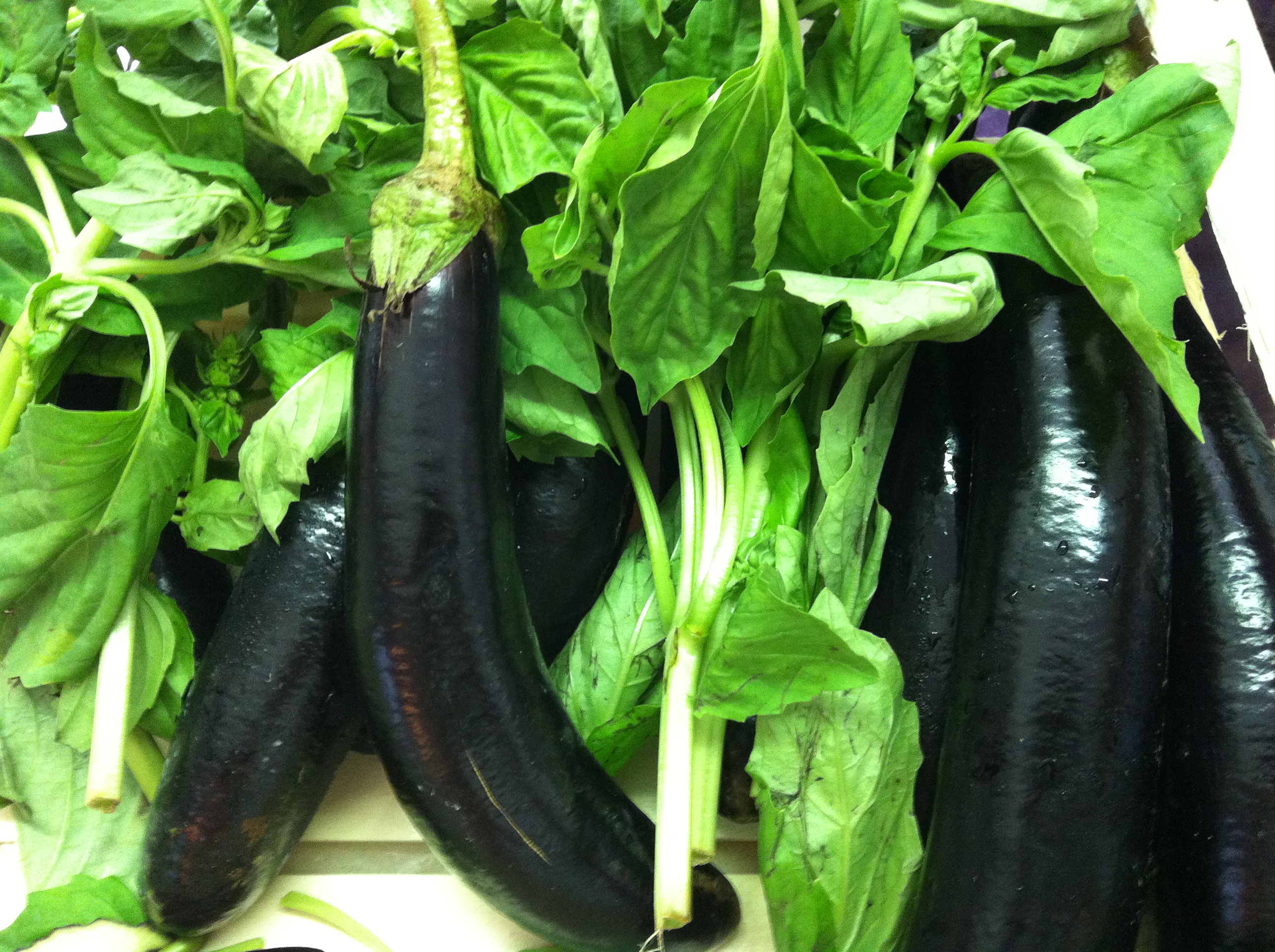 Eggplant is a summer vegetable and is most commonly used in southern Italy during the hot summer months, almost replacing meat in Campania. There are several different kinds grown, and I’ve been astounded at the variety found in the markets and grocers during august and september, but it seems the favorite in Campania is the long, slender dark purple kind that have few seeds. These are the best to cook with if you can find them.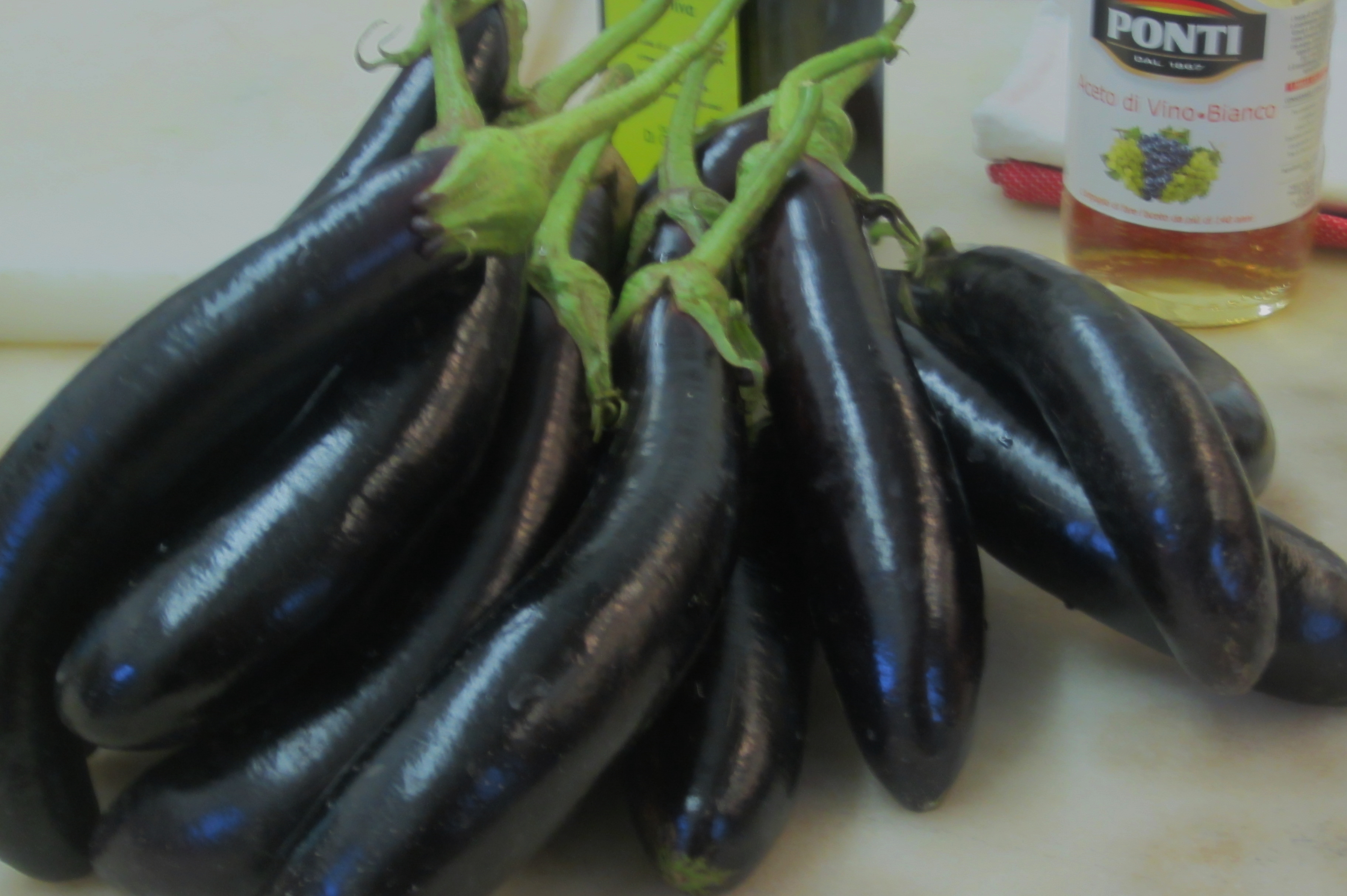
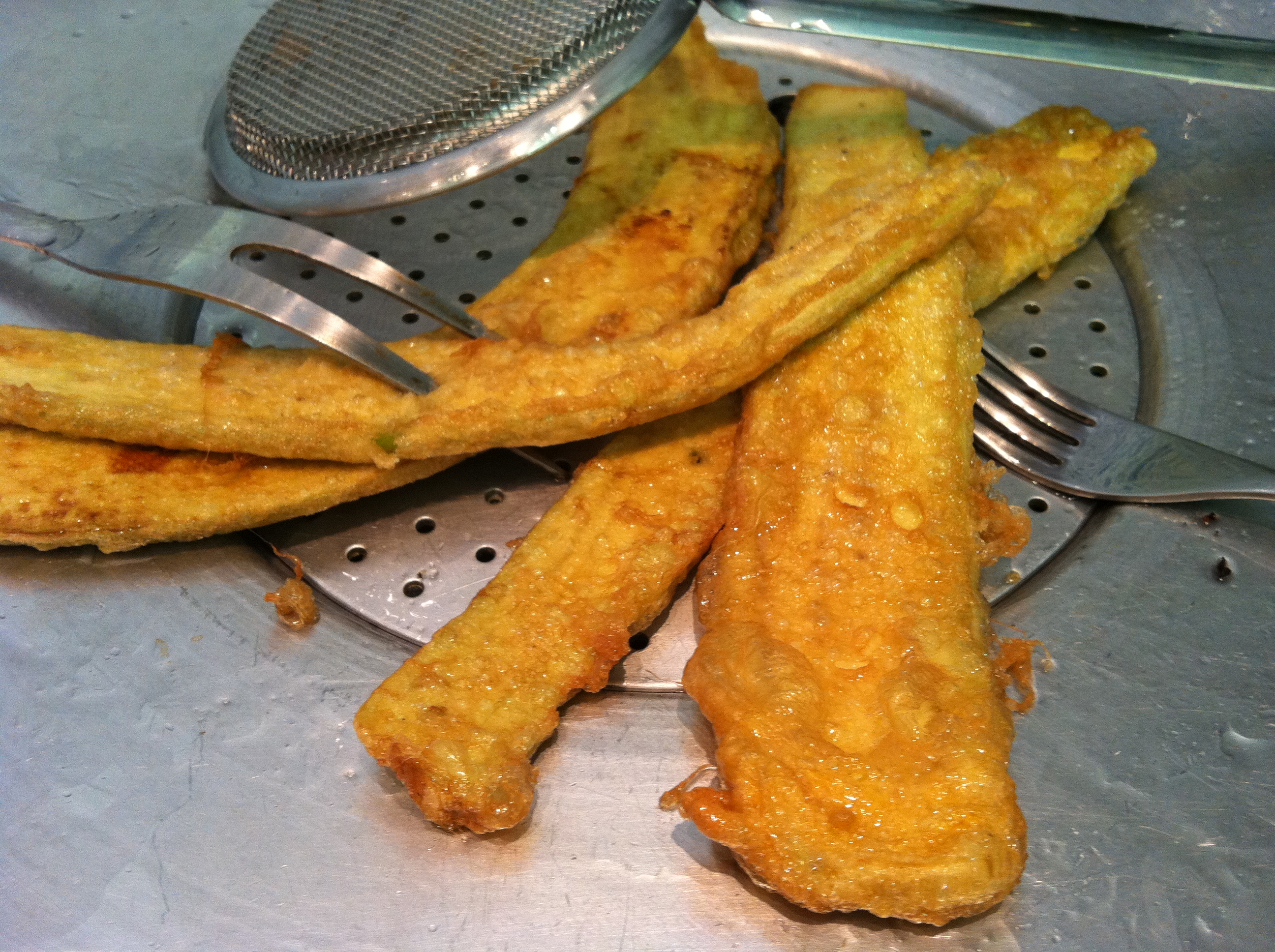
There is nothing an Italian likes discussing more than food and how to make it, and the proper way to make parmigiana di melanzane, like any good food discussion in Italy, frequently becomes so heated you expect at any moment it will come to blows, dissolving into a real food fight! The biggest bone of contention is whether the eggplant should be dipped in egg and bread crumb, or just fried straight, and family’s split down the middle and take sides over the issue!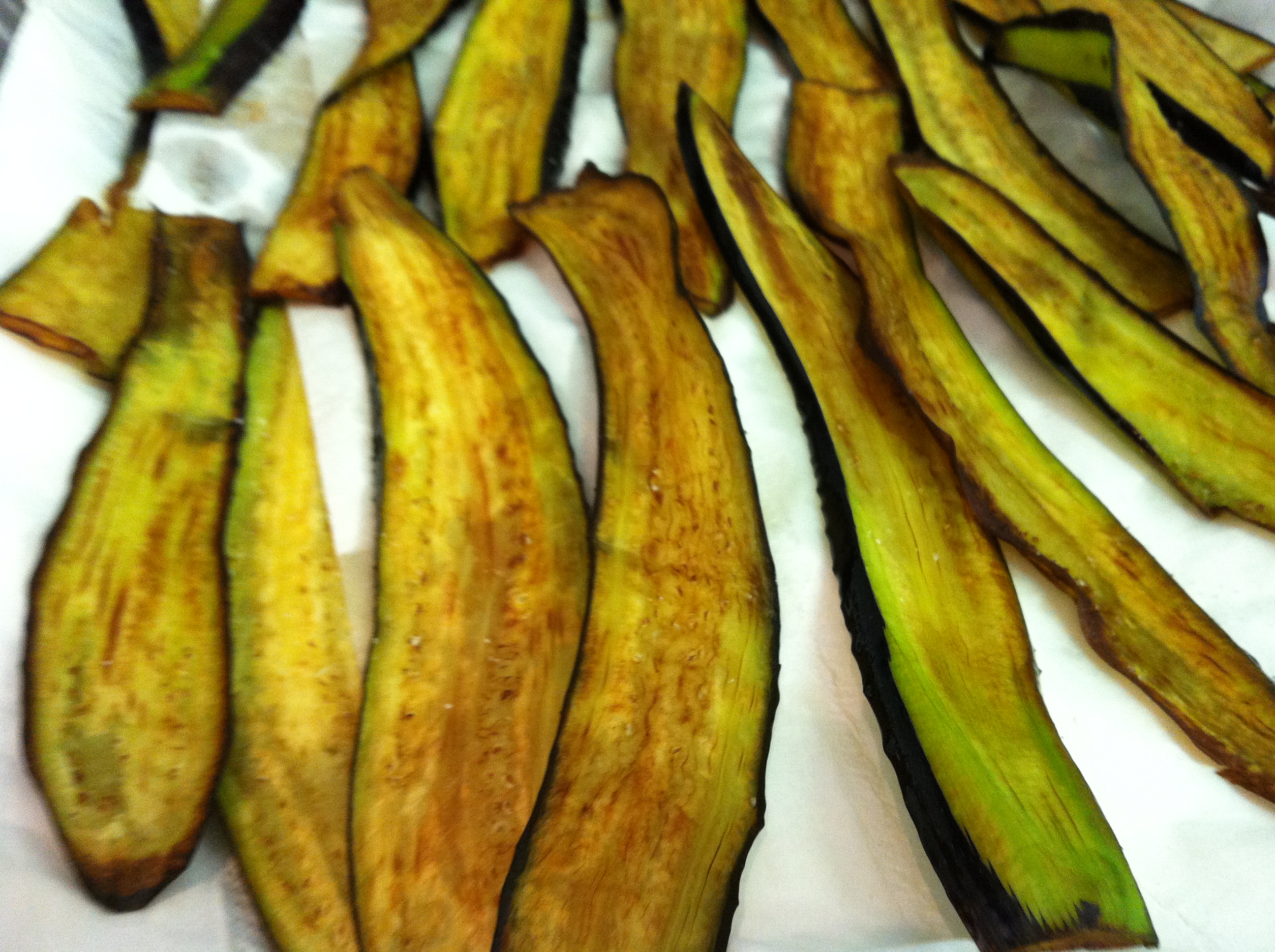
Salting is also apparently an option. Some do, some don’t. The point of salting the eggplant is this: an eggplant is made up of tiny cells or chambers, like a sponge. When you salt it, the chambers collapse, releasing water; thus the chambers are prevented from filling again with oil when frying. Some cooks in Campania say that if you get the long, skinny and firm variety, it’s not necessary to salt it. Just slice them thin and proceed with the frying stage. If you are using the big, spongy eggplants, you’ll want to slice them and then salt them well. Put them in a colander in the sink with a heavy weight on top for at least 5 hours if not overnight. Once they’ve given up their water, rinse the salt off well and dry them on paper towels. Then you can continue with frying.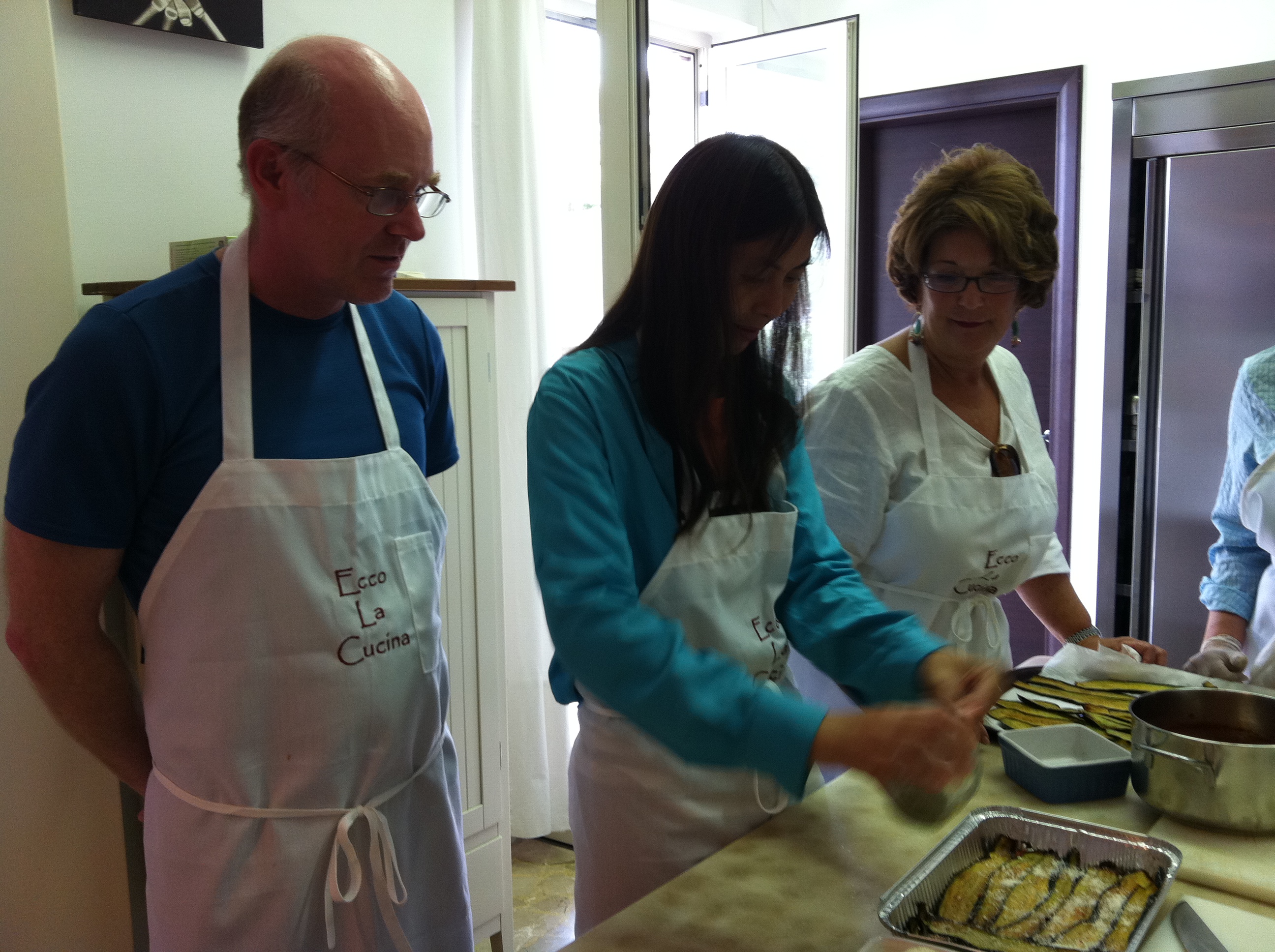
A third option is to blanch the slices in salted water. While this may be a healthier alternative, boiling anything is never as delicious as frying it. End of discussion.
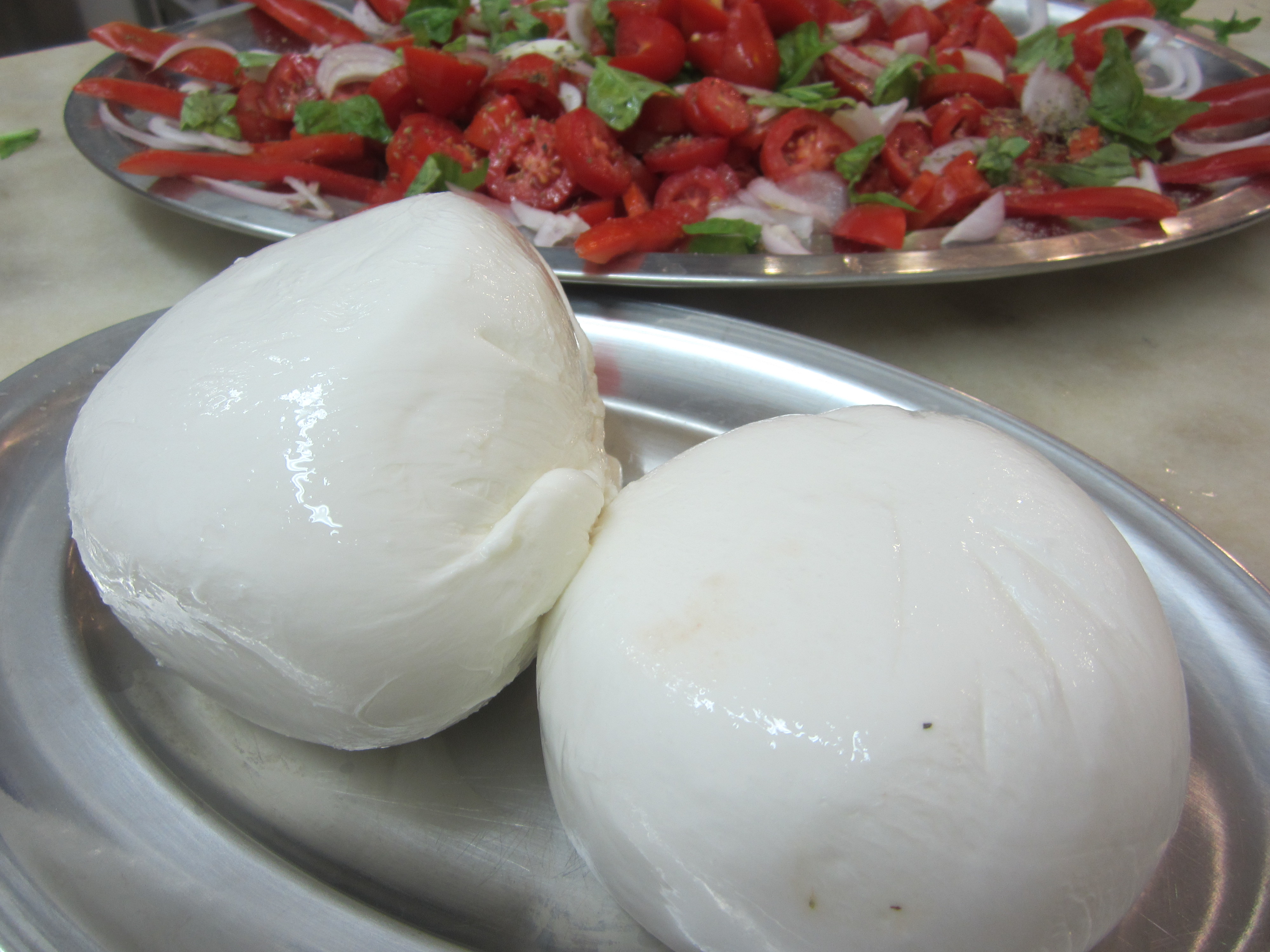
Everyone does agree that the only five ingredients are: eggplant slices, a simple red sauce, mozzarella, parmigiano or grana padano, and basil leaves.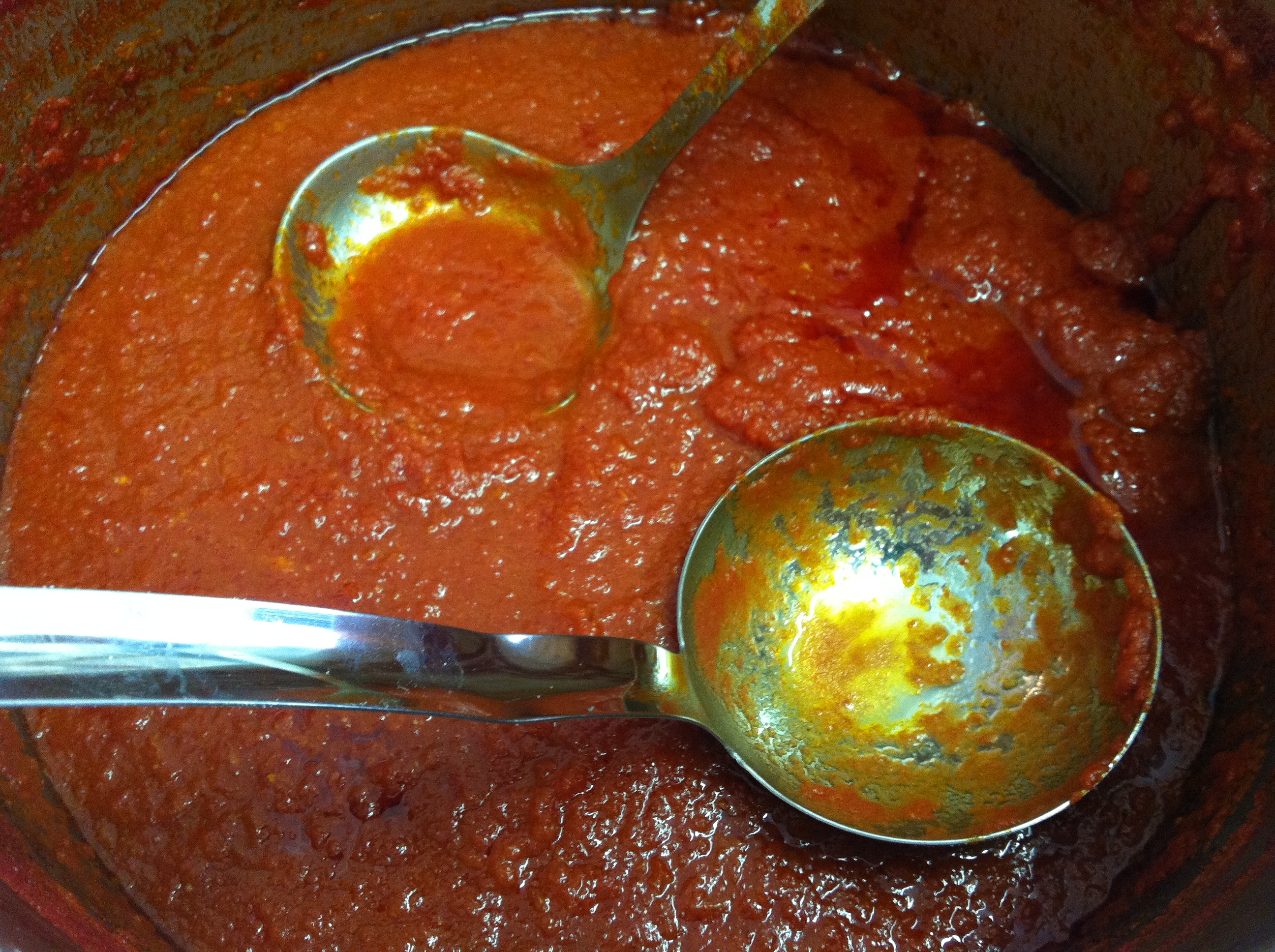
Concetta likes the simple method: slice the eggplant and then fry it immediately. Her mother in law insists that the eggplant should be dipped in egg and flour before frying, and Concetta’s husband agrees. Luckily for us, Concetta is also a scientist and the proposition that we make both kinds and taste for ourselves which we was best was met with enthusiasm on her part.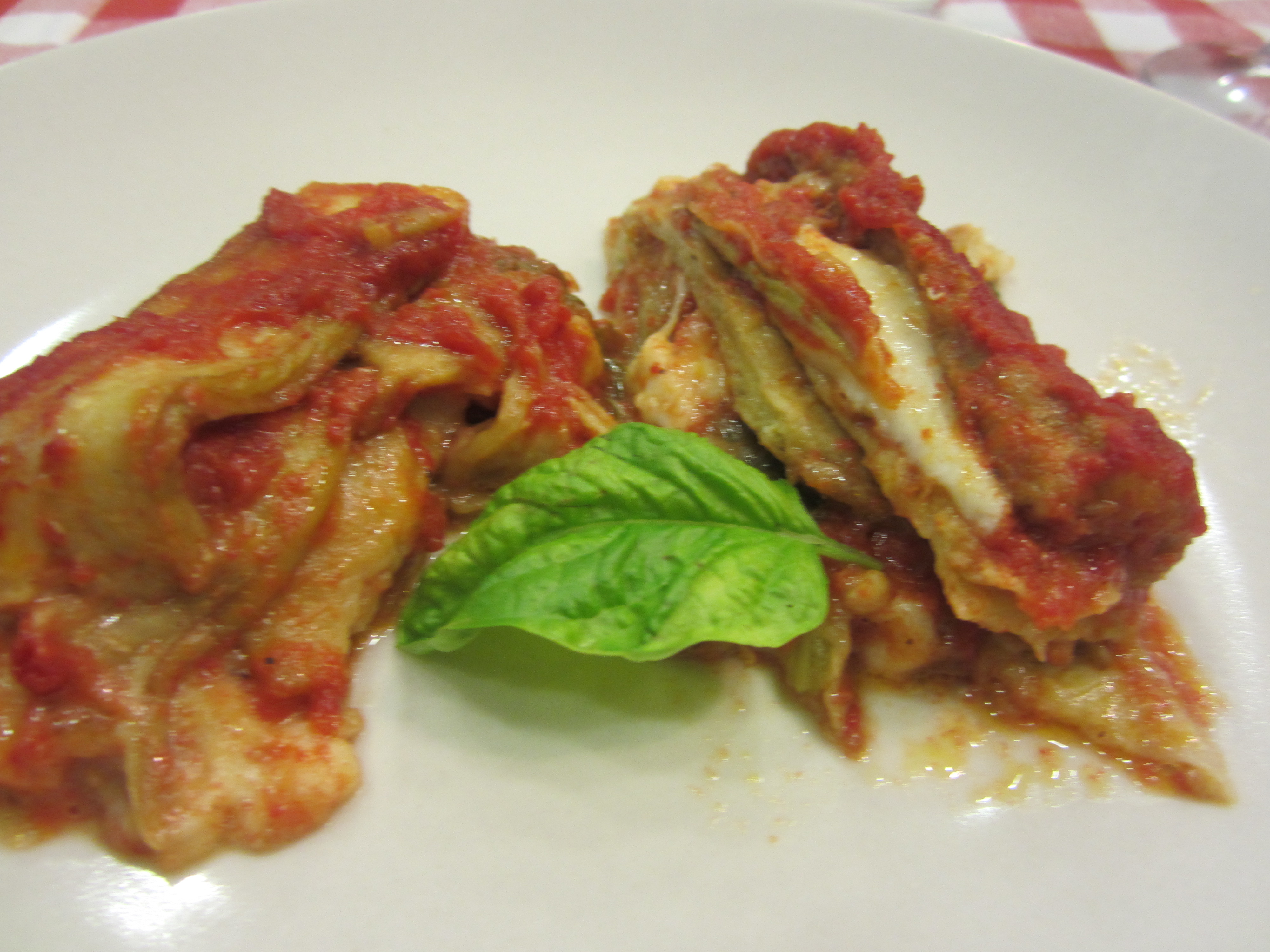
Once the two parmigianas were made and baked, we sat down to eat. With slices of each in front of us, we tasted and discussed which we liked best. The lighter of the two was the one without all the egg and flour and was voted the best; we all raised a toast to the cooks and to the lesson and continued on with our lunch.
After a little while, I turned from my students to listen to the discussion my Italian friends were having at the other end of the table. They were still talking about the eggplant parmigiana and which method was best. Food discussions in Italy have no beginnings and no ends; they’re continuations, just like life.
Parmigiana di Melanzane – Eggplant Parmigian
4 eggplants, peeled and sliced thin
Peanut oil for frying
3 eggs, beaten
2 cups flour
Simple tomato sauce
Fresh basil leaves
1-2 lbs whole milk mozzarella, sliced
2 cups Parmigiano
To make the red sauce, heat good quality olive oil in a pot and add tomato sauce and salt. Allow it to simmer 30 minutes.
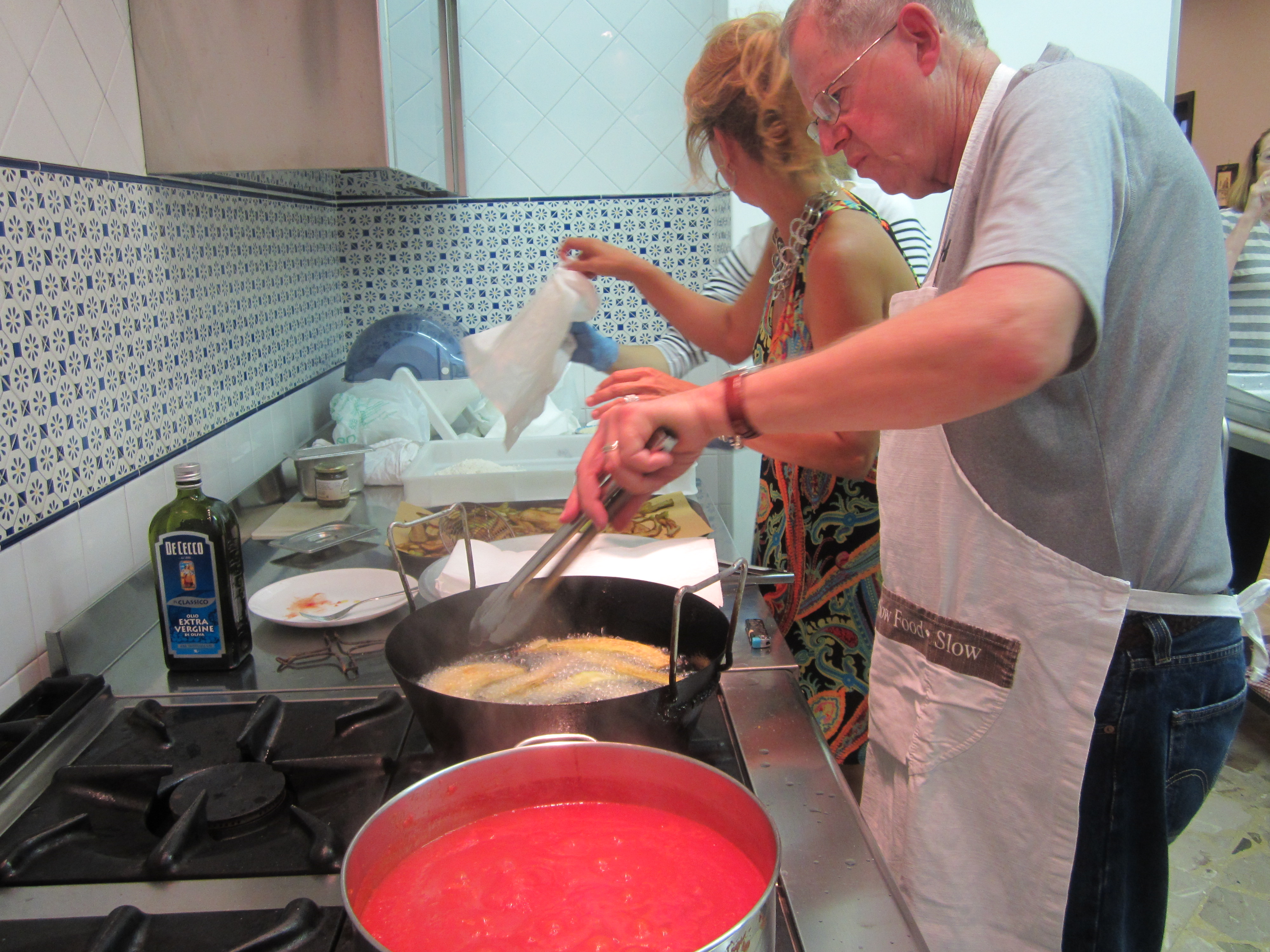
Heat the peanut oil to 375 degrees. Either fry the eggplant straight out, or dip each slice into the beaten eggs and then dredge in flour and fry each slice until golden brown. Drain on paper towels. Prepare a large baking dish with a drizzle of olive oil and a light coating of tomato sauce. Place a layer of fried eggplant in the pan, pressing down firmly. Add a light coat of tomato sauce, some whole basil leaves and a layer of mozzarella and a sprinkle of Parmigiano. After each layer, press the mass down tightly. Continue to layer in this way, making sure that you consistently press the eggplant slices firmly into the pan. In this way, once it’s baked you will be able to slice it and it will maintain its shape.


