attheitaliantable.com

  • attheitaliantable.com
  • Home
  • Recipes
  • Chef Gina Stipo
  • Join Gina & Mary in Italy!

February 25, 2016 by Gina Stipo 2 Comments

Trusting in Italian Extra Virgin Olive Oil

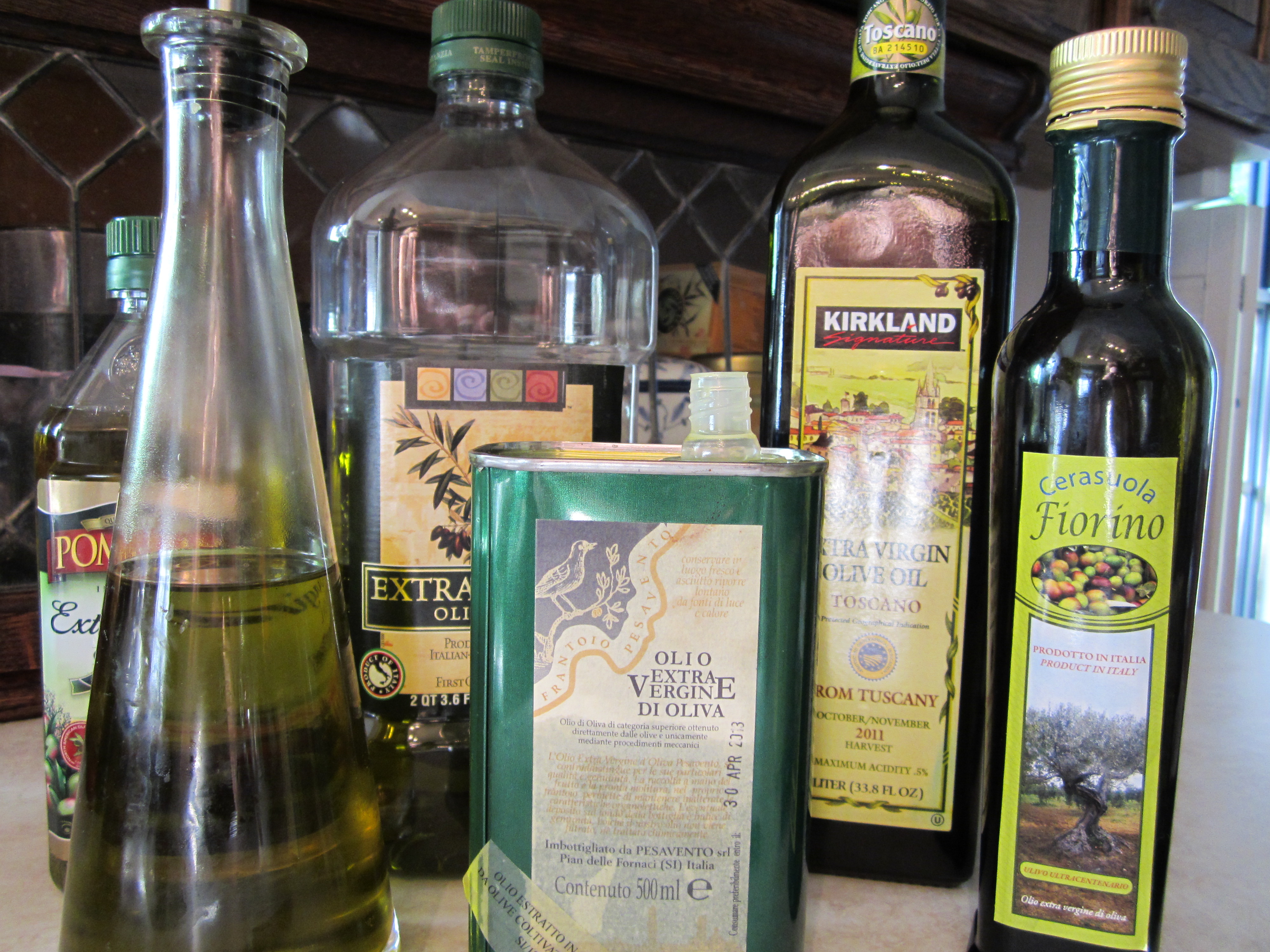
olive oil There has been a lot of press lately regarding authentic vs adulterated extra virgin olive oil.  Especially Italian, which everyone considers some of the best.   In both taste and health benefits, extra virgin olive oil from Tuscany, Sicily and Puglia can’t be beat, and you feel good about buying it for yourself and your family.

Until they tell you it’s all fake and you can’t trust the label.  Then what are you supposed to do?!
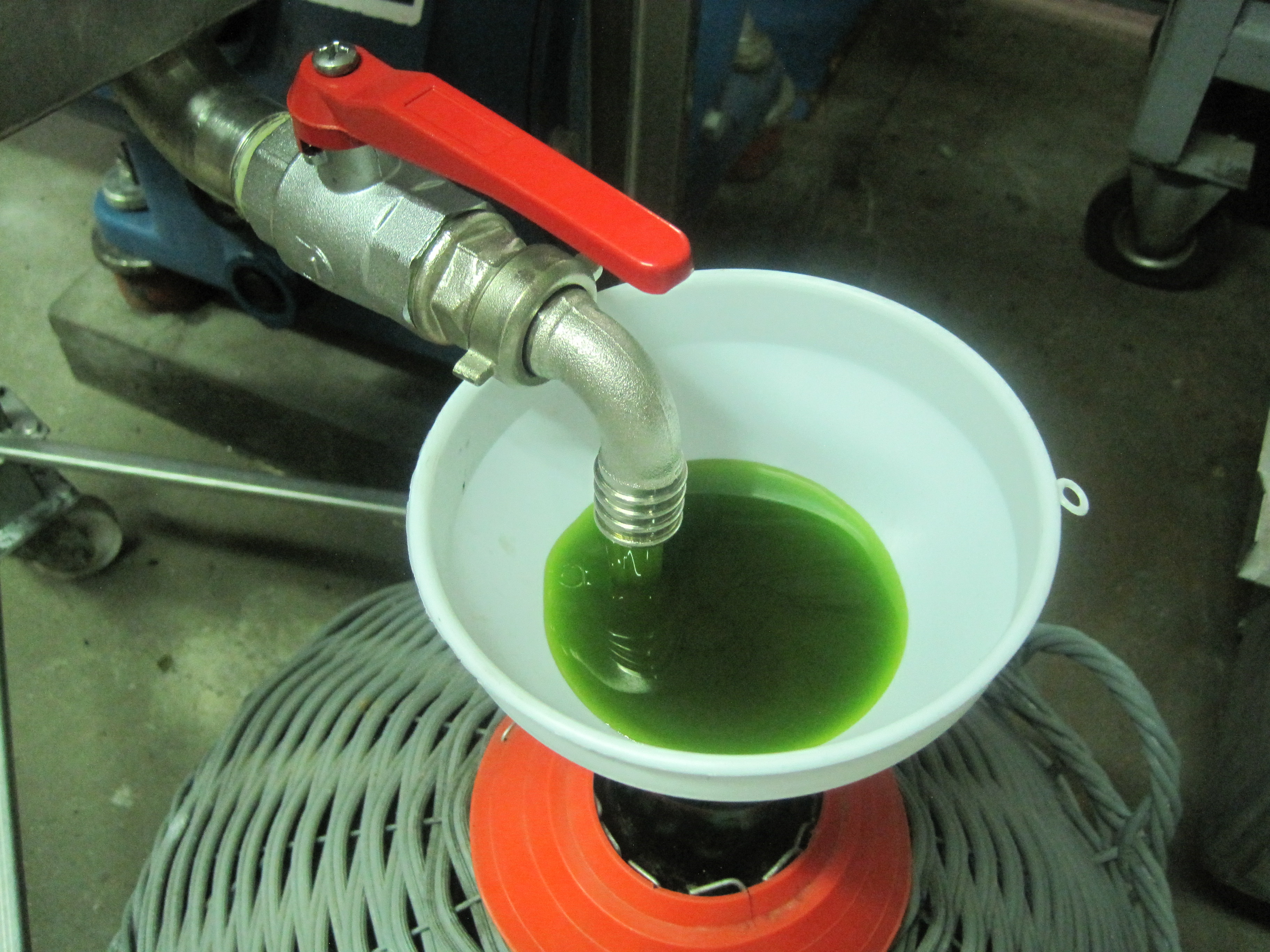
evooIn some respects, it’s true: there is a lot of adulteration going on with extra virgin olive oil.  You need to know who you can trust, where you can turn for good information.  The label on the bottle says “Italy” or “Italian”, but the small print gives a key to where the oil comes from: ES -Spain, TU- Tunisia, GR-Greece, etc.  Often the small sprint says “bottled in Italy”, which means the olives or oil can come from anywhere and are bottled in Italy.  Berio and Bertolli, two of the only Italian olive oils available until about 25 years ago, were famous for this.  At any rate, it gives a bad name to one of the most delicious and healthy products we have access to.  That’s why a little knowledge can protect you and make you feel confident when purchasing olive oil.

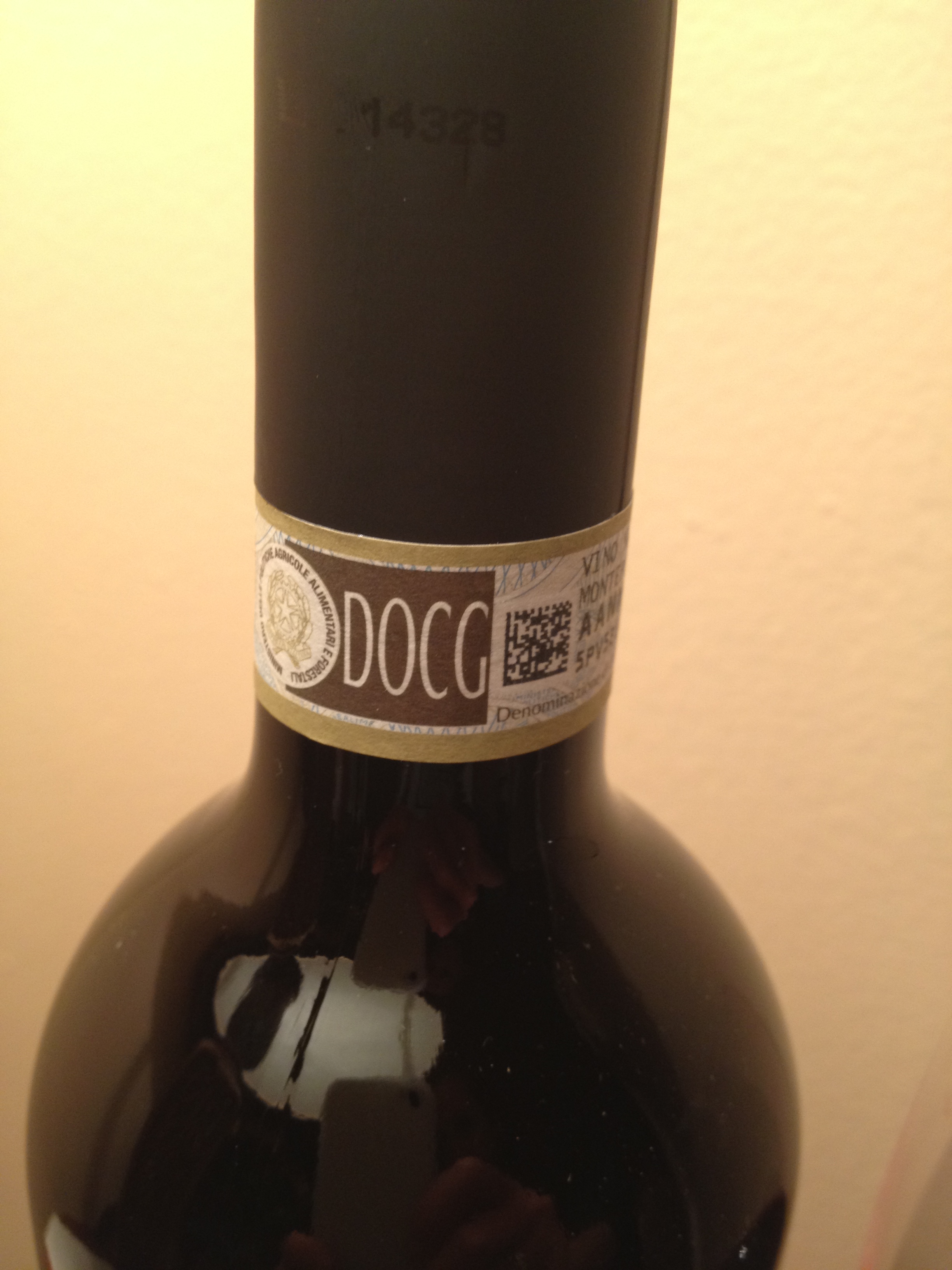
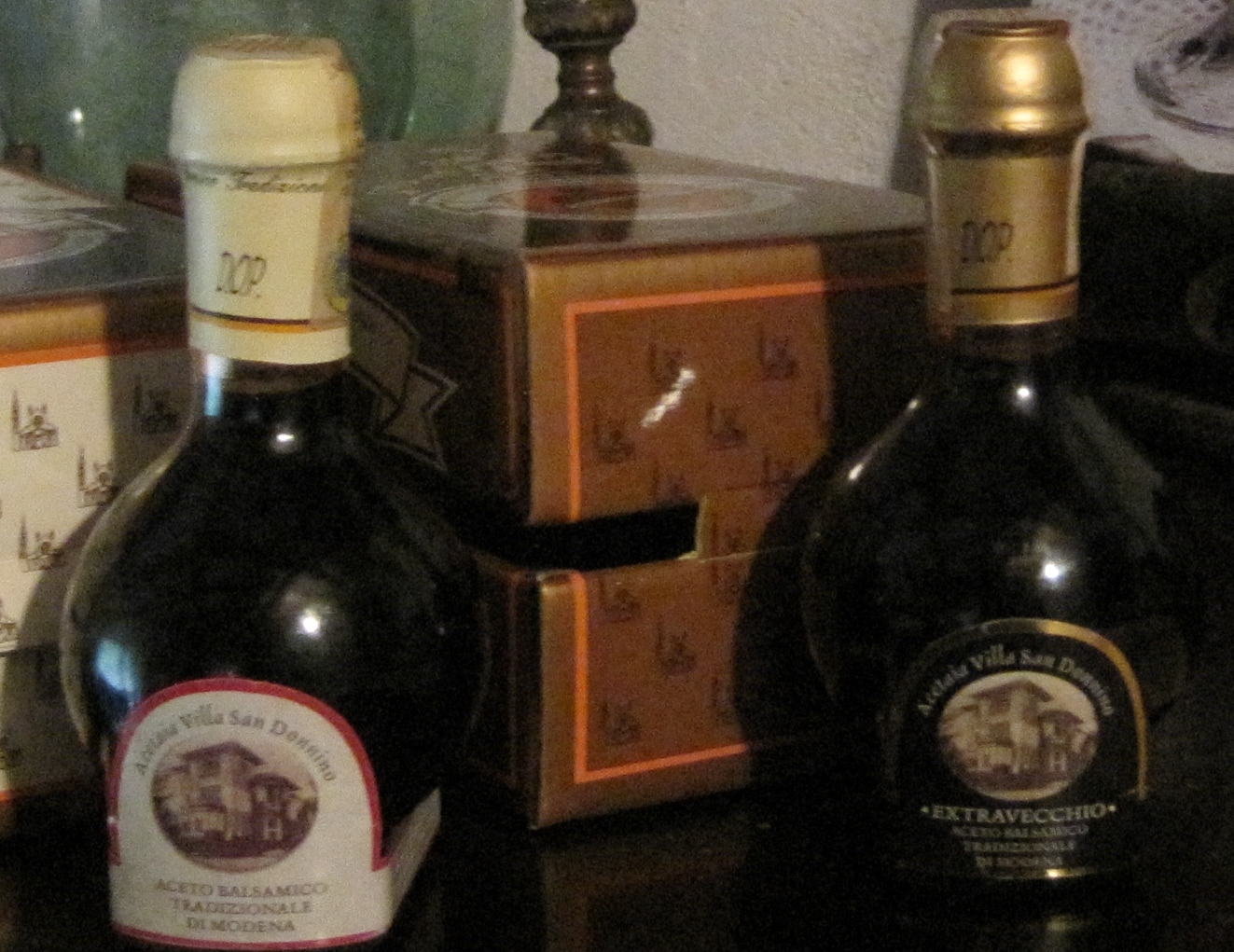
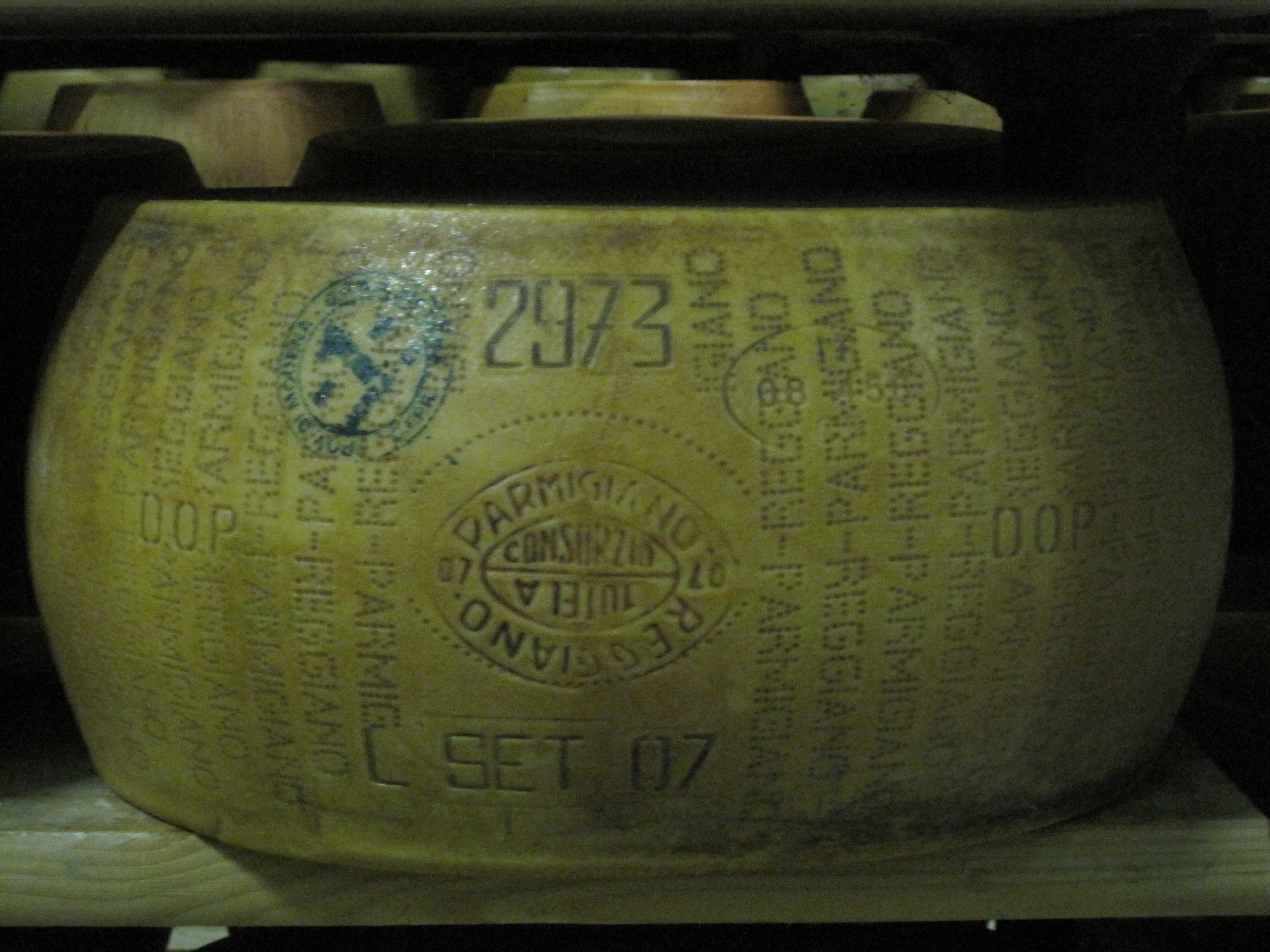
In Italy, there are hundreds of comestible products that carry a seal of approval from the corresponding consortium governing that product.  Think Parmigiano Reggiano DOP cheese, Aceto Balsamico, Brunello di Montalcino DOCG wine (in fact, all the hundreds of DOC/DOCG wines coming out of Italy).  In short, there are governing bodies that control and regulate the growing, production, packaging and geographic area of hundreds of foods and drinks produced in Italy.parmigiano dopIMG_3473aceto balsamico


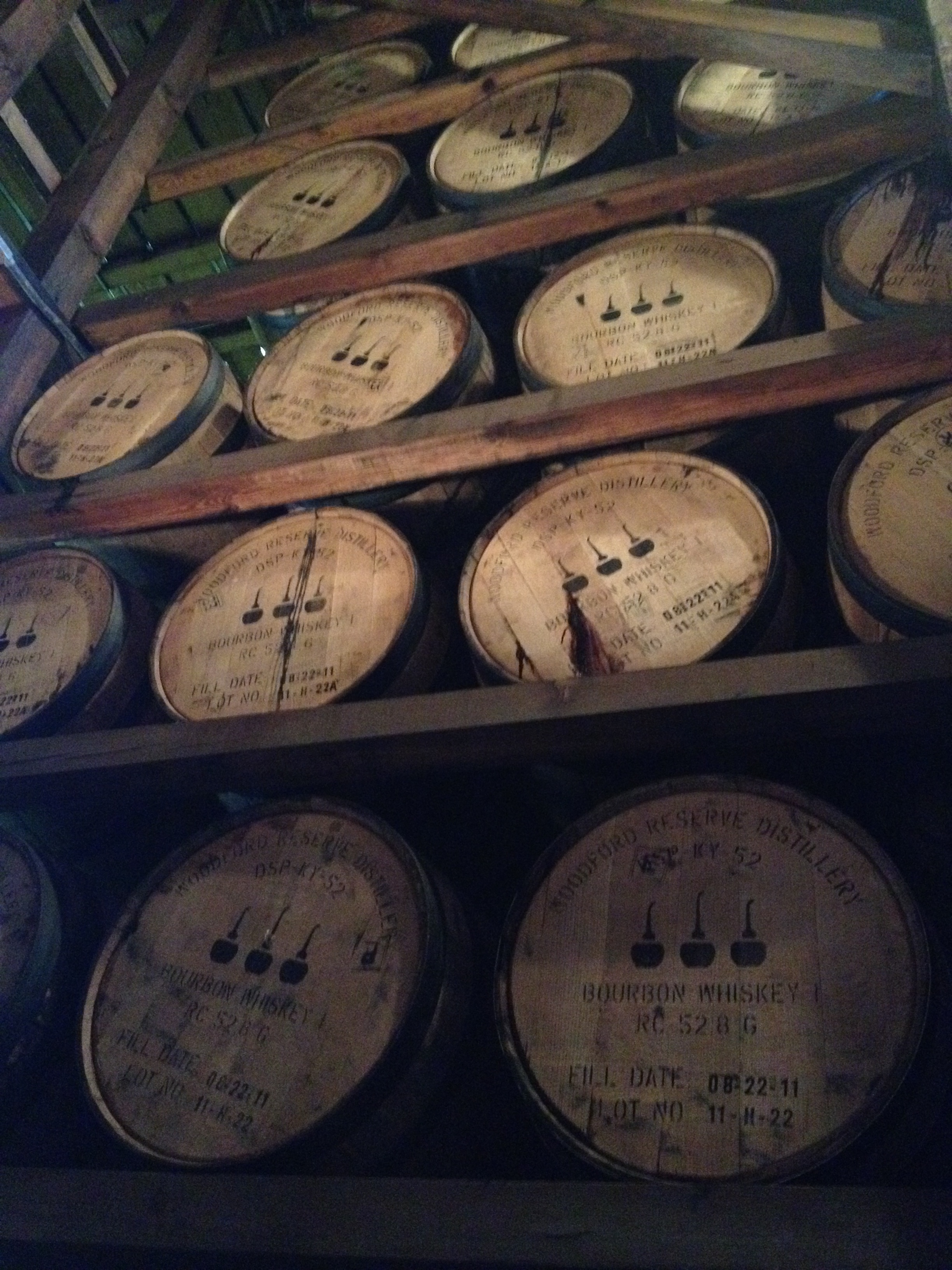
bourbon barrelsIn America there is only one product that can carry its name only if the rules for ingredients, production and geographic area are followed.  Anyone??  Bourbon:  Must be 52% corn, aged a minimum of 2 years in brand new toasted oak barrels and must be made in the USA.  One, out of all the things the US makes.  By comparison, Italy has literally hundreds.

The consortiums that govern Italian DOP and IGP/IGT olive oil have a process they follow to determine that the product has followed all the rules for producing that oil:  only the right olives that are grown, pressed and bottled in the given territory are given the seal that the producer proudly puts on the bottles.  This seal has a serial number that can be used to see who grew the olives, where they were pressed and bottled.  The process of pressing the extra virgin oil is also controlled to avoid heating the product, which deteriorates the oil and affects the acidity.  That’s how important food is to Italians, that is an example of how seriously they take their olive oil.IMG_0261
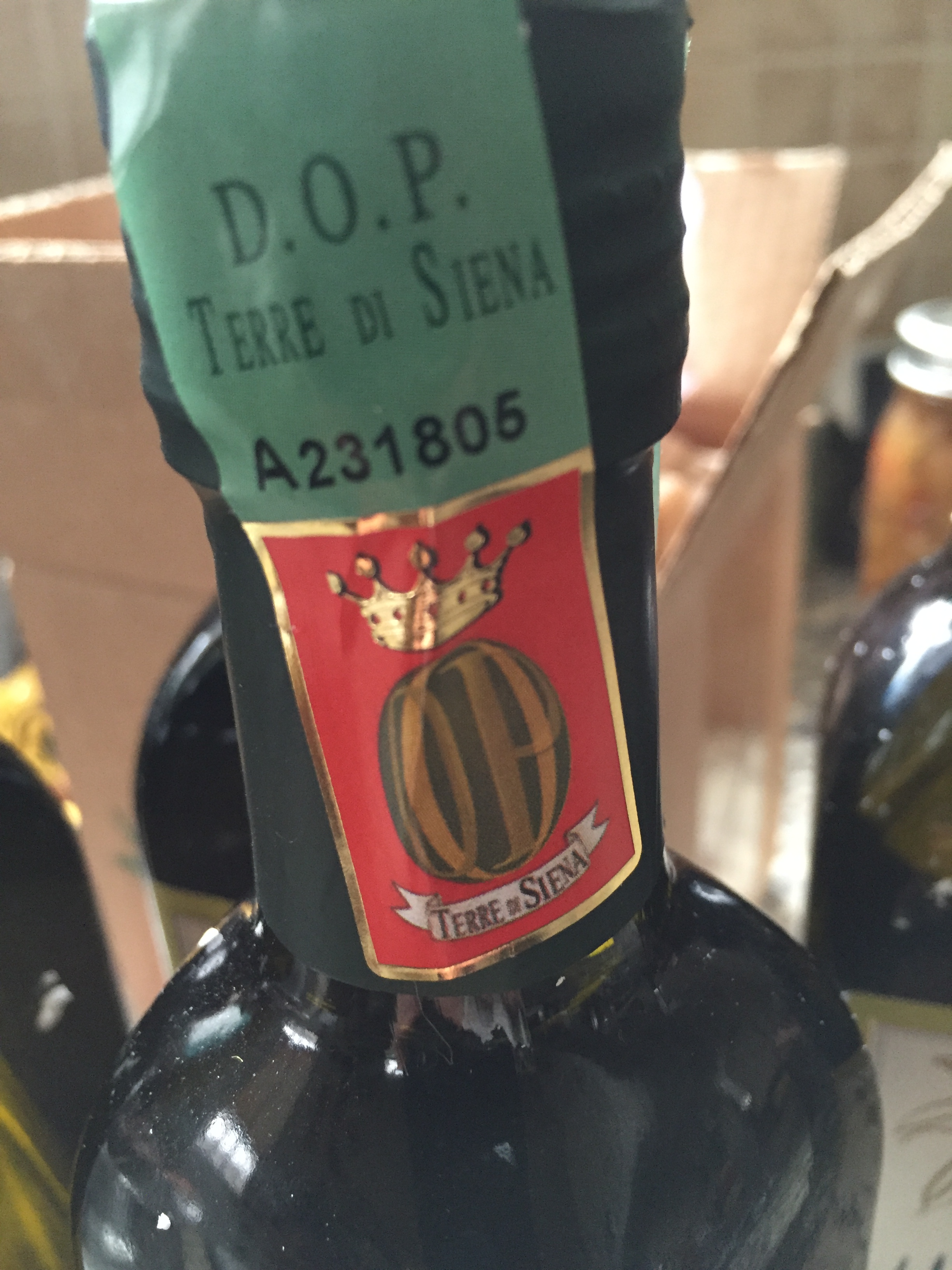
Search out and purchase extra virgin olive oil that has either a DOP or an IGP/IGT seal on it.  Make sure that the bottle has the year that it was made:  olives are picked and pressed in November and December of each year and the oil should be as young as possible.  601B4277-8E4A-4025-B8C2-9CB5C0B5DB97
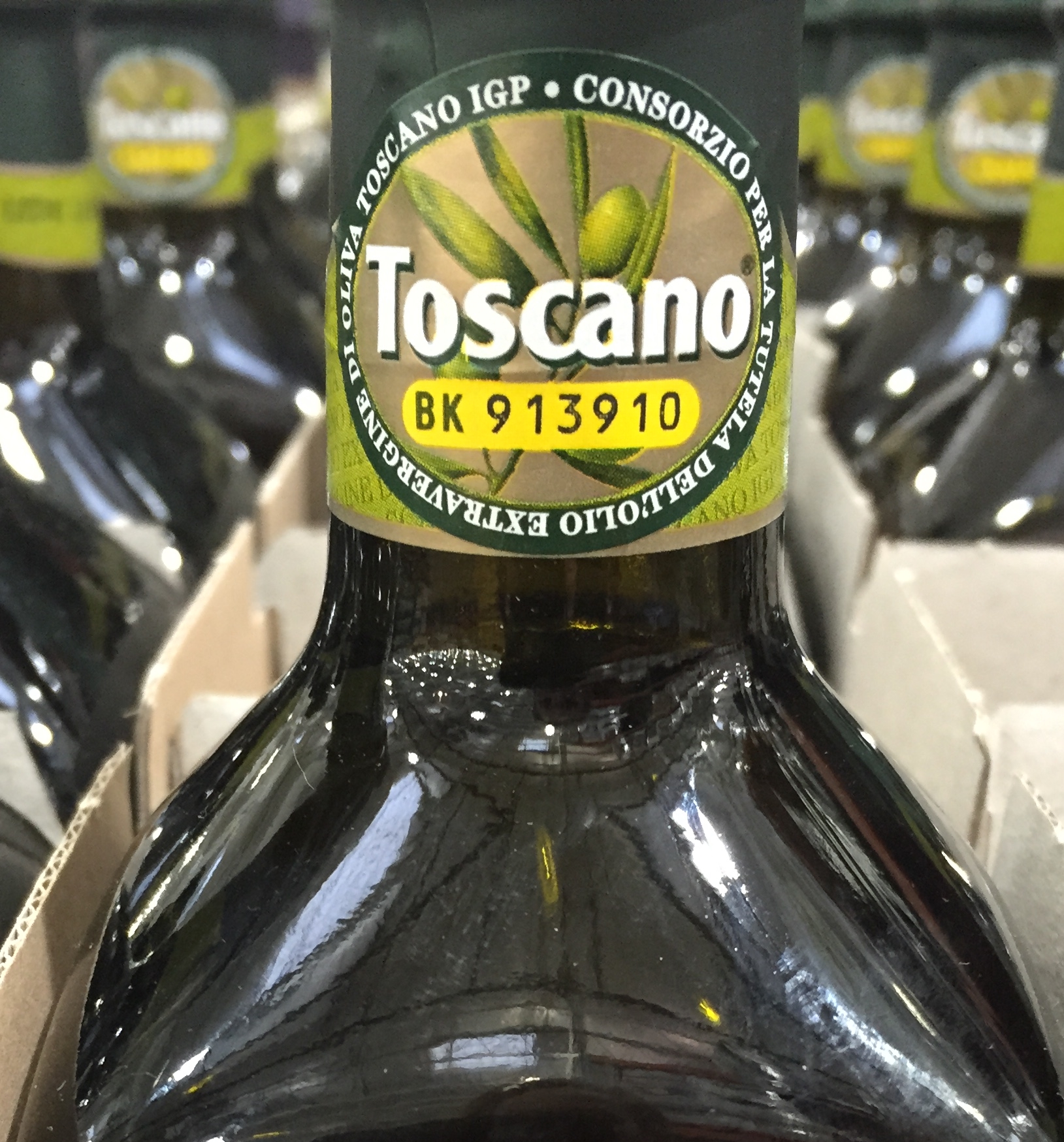
Look for a dark green bottle.  Extra virgin olive oil can be very green when pressed if the olives used were predominately green.  But it loses the green color over just a few months and will be golden yellow by the next summer.  So avoid any green oil in a clear bottle; chlorophyll has most likely been added.

Italian extra virgin olive oil is one of the best products you can use and it is possible to get some really great stuff without traveling to Italy.  Where to get the product?  Gustiamo is an Italian import company that is very good and has several DOP oils to purchase.  Costco brings in an excellent IGP olive oil from Tuscany and it’s available now.  And obviously you can join us, Ecco La Cucina, on one of our culinary tours to Italy, which will give you many opportunities to purchase excellent oil to carry or ship home!  I hope this information helps you to feel more comfortable in buying olive oil!
Filed Under: olives/olive oil, seasonal vegetables, Spices, Tuscany Tagged With: cold pressed olive oil, DOCG, DOP, extra virgin olive oil, IGP, IGT, olive oil, tuscan olive oil

May 29, 2015 by Gina Stipo 1 Comment

Planting an Italian Herb Garden

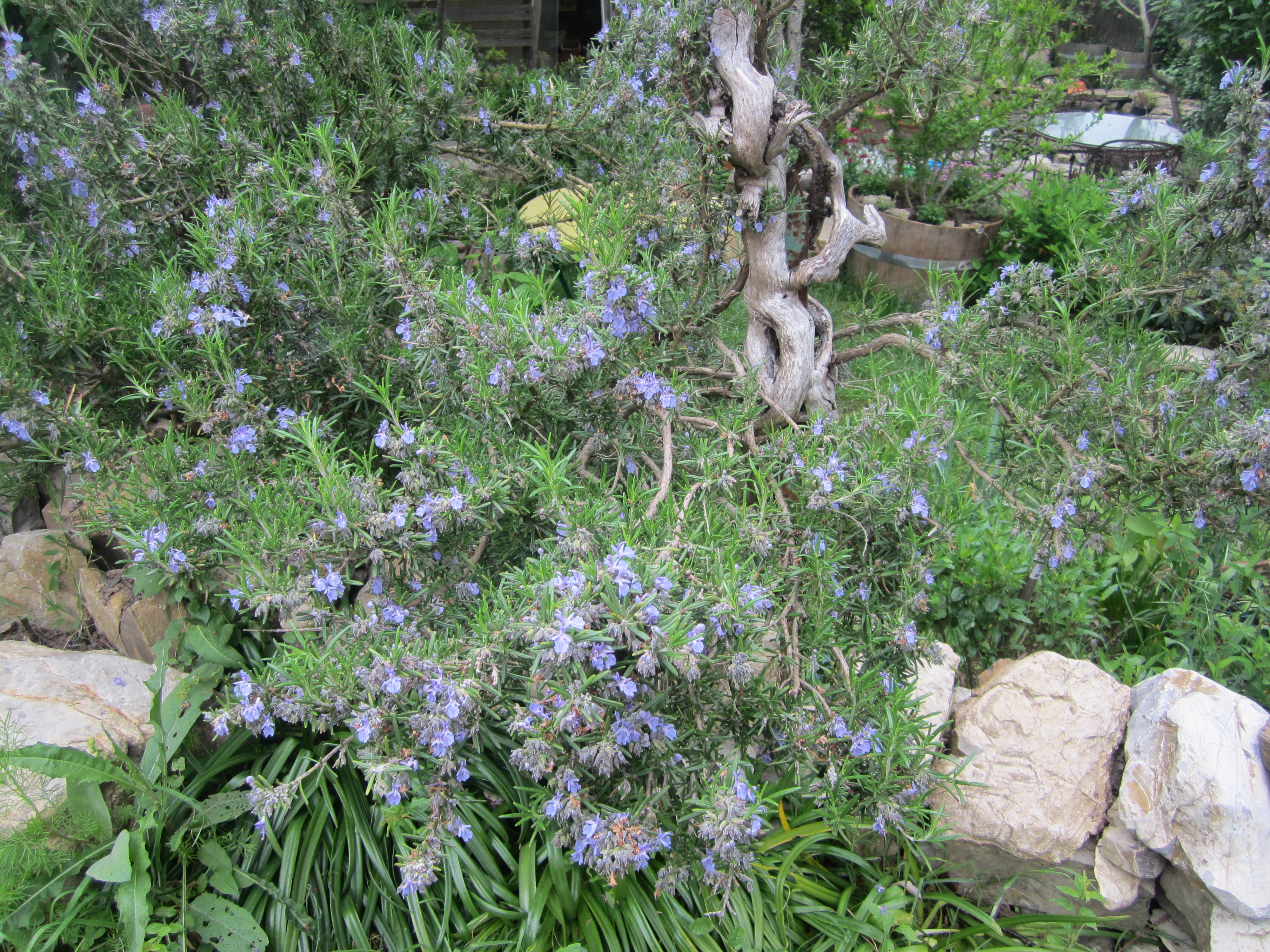
flowering rosemaryHerbs are such an important part of the Italian kitchen and are generally used fresh, picked right out of the garden when needed. Many of the herbs are perennials, coming back every spring and anchoring a special place against a rock wall or lining a path. This past winter, friends in Tuscany sent pictures and I was really struck by how green everything was, while everything around me in Louisville was brown and gray. I realized that it was all due to the gorgeous bushes of rosemary, sage and bay that adorn every nook of Tuscany and even though they’re  dormant in the winter, are always green. Then in the spring they come back to live and put out blossoms and new growth.

flowering sage
Since spring is the time when we’re replanting our gardens and planning for the summer growing season, let’s talk about some of the fresh herbs we use in Italy that make any garden a better space and will keep it green even in the winter.
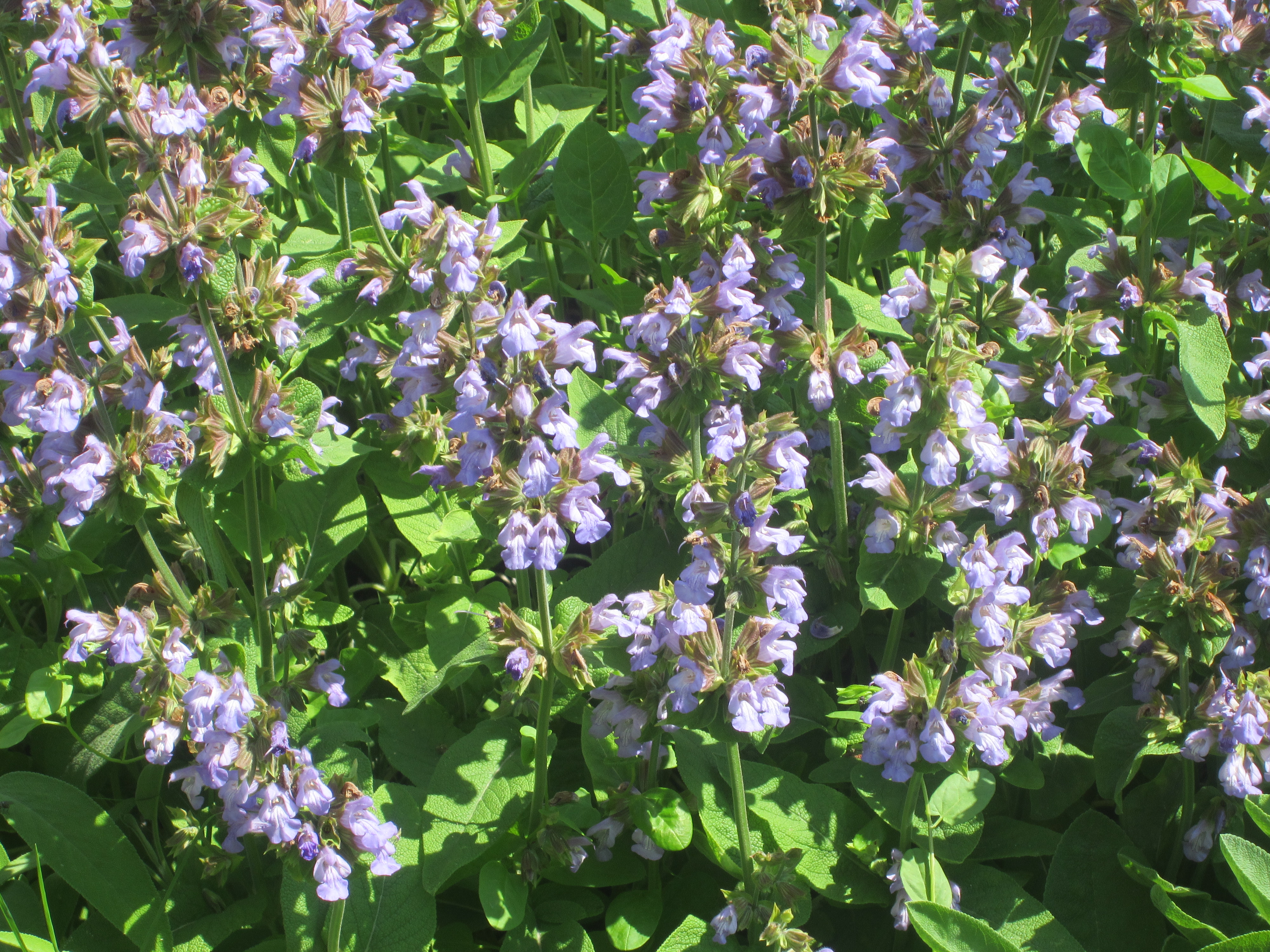
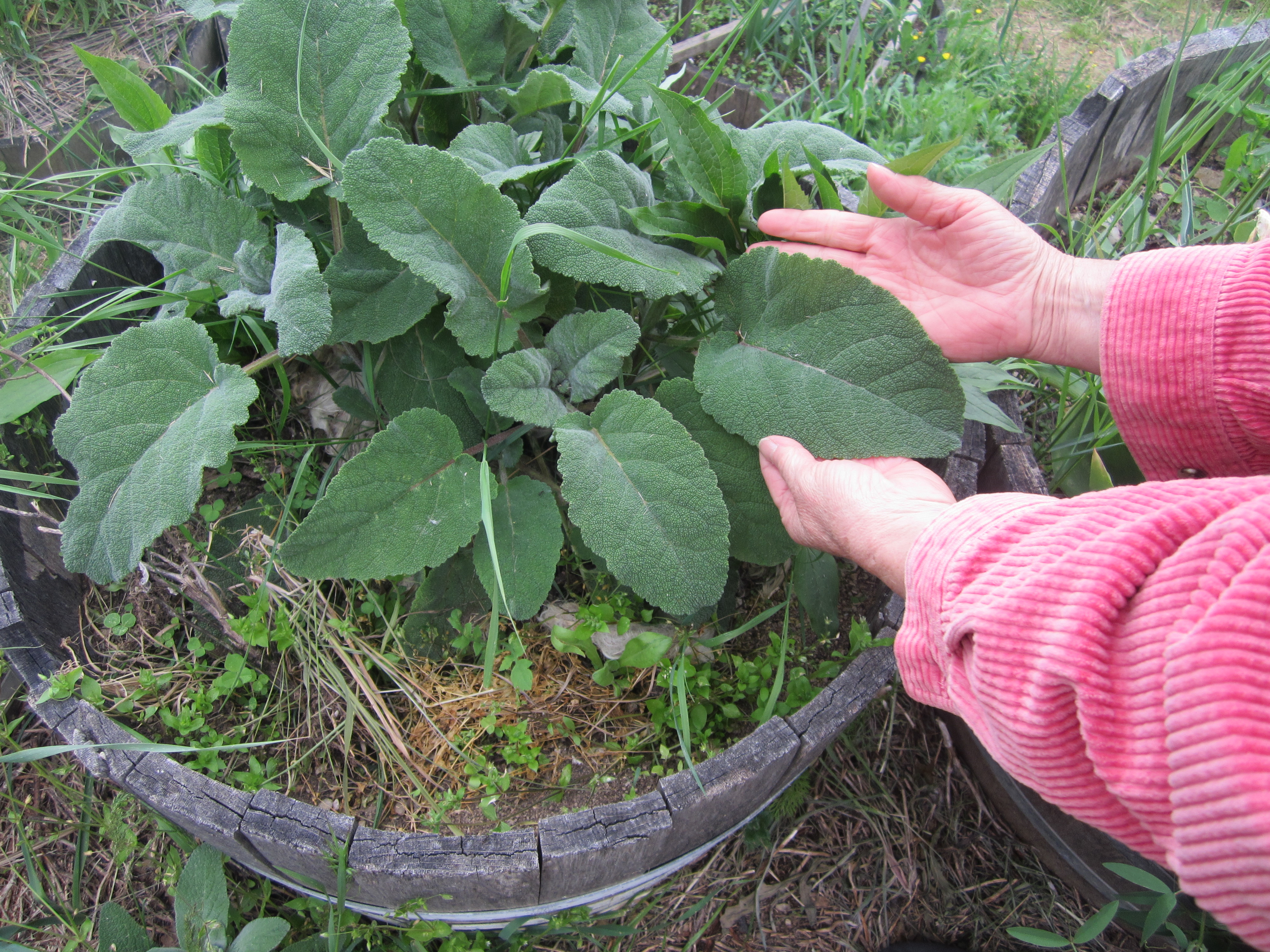
The two most commonly used herbs in Tuscany are sage and rosemary. Both are widely used in Tuscan stews, ragu, roasted meats and wild game. With their high oil content, these aromatic herbs are always cooked before eating and their soft purple flowers attract bees and birds and to your garden. Sage leaves are wonderful fried, especially if you can find the variety that has big leaves, sage leaves

or put inside a stuffed turkey breast or pork loin along with parsley and bread crumbs. Rosemary sprigs can be thrown whole into a rustic lamb or beef stew; the needles fall off and you pull the empty stem out of the pot before serving.
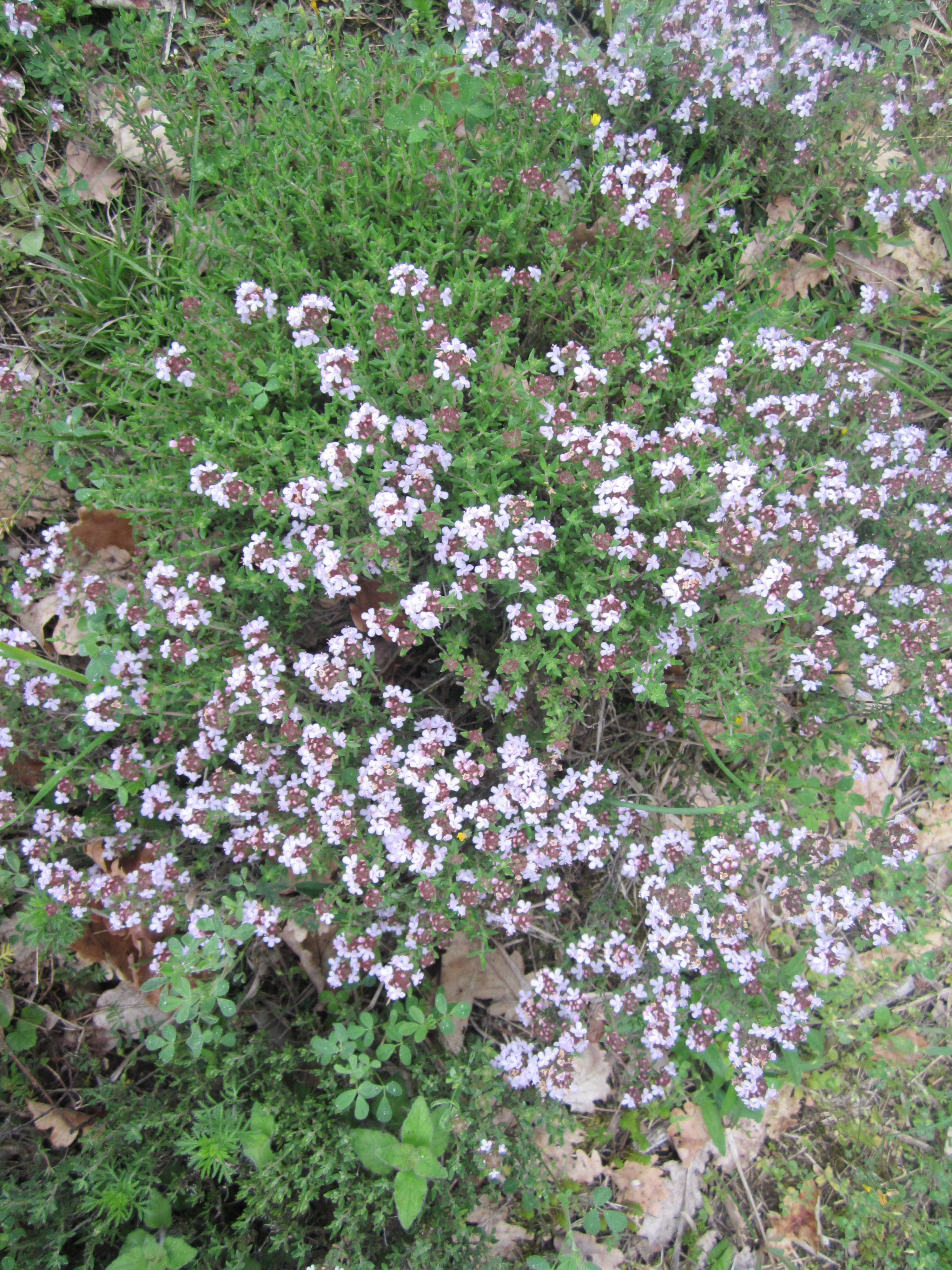
Two other perennial herbs that are widely used in Italy are thyme and bay. Bay is grown as a hedge in Tuscany and while you never find it dried in a jar in the store, it is always used fresh off the tree. Whenever you need a leaf or two for the soup or braised meat, you simply pluck a few leaves off your neighbors tree. flowering thymeThyme also presents delicate purple or white flowers in the spring as it prepares to come back in force, and is a quick-growing border to the garden.

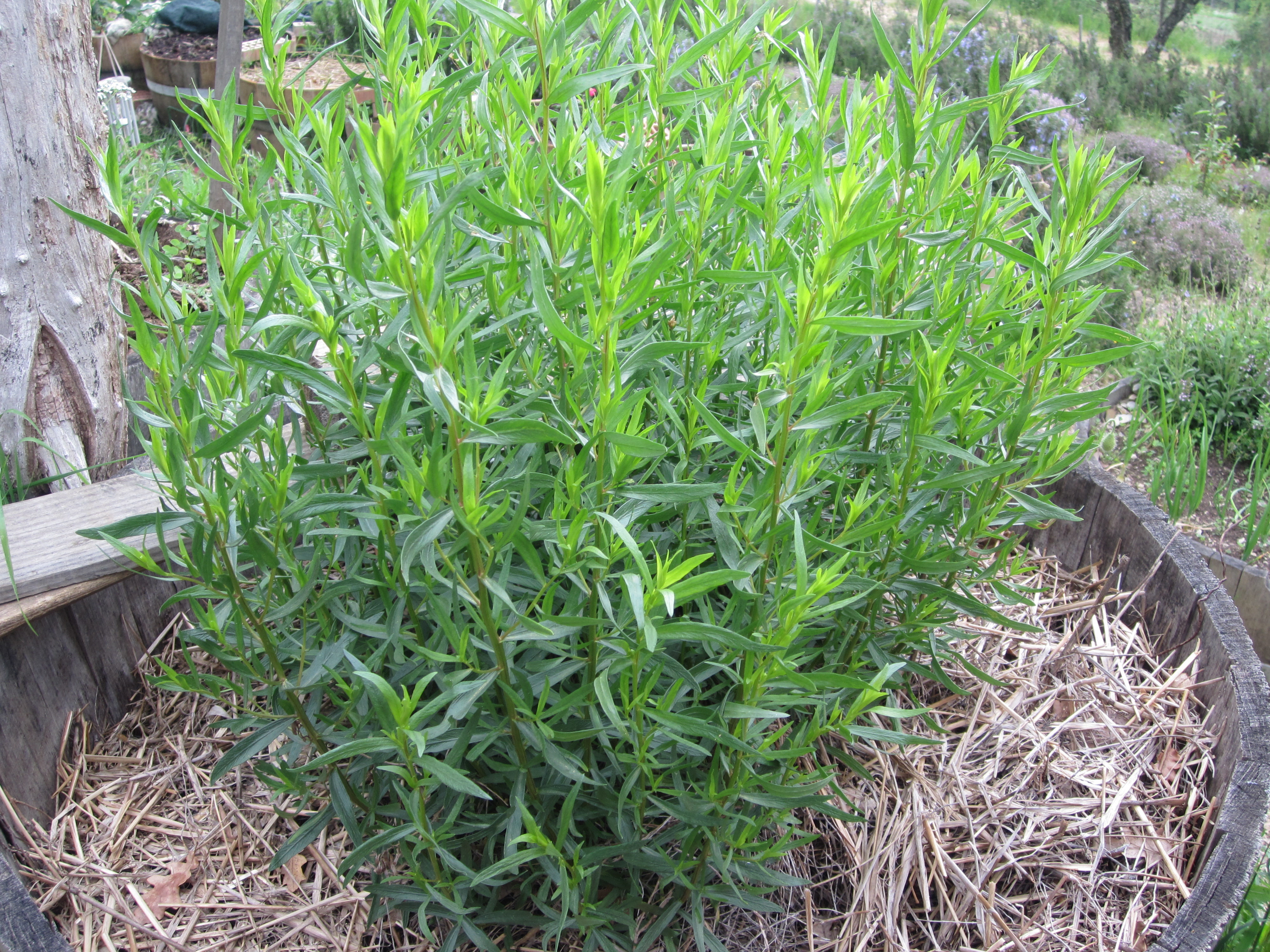
dragoncelloTarragon is a wonderful herb that goes well with chicken or vegetables like green beans and has been used in the Siena area since the middle ages. Also a perennial, it gets bigger and taller every year. Take care not to get the Russian variety which has very little flavor, especially after the first year.
Italian, or flat leaf, parsley can be either an annual or a perennial, but we tend to replant it every year, even if it volunteers to come back from last summer. It is indispensable in a wide variety of dishes and is extremely versatile: the stems are used for stocks and broths, the leaves can be tossed in when sautéing garlic for marinara or when stewing meat, and its fresh clean taste is wonderful added raw to a salad or to finish any dish or garnish a plate or platter.
Basil is one of the only herbs that is an annual and must be planted in a sunny spot every year. Since basil is a water-based herb, it is not used in cooking for long periods of time, but rather is thrown raw into a sauce or salad at the end of preparation. In the early fall or late summer, when basil comes to the end of its life cycle, it can be harvested and pureed together with garlic, olive oil, parmigiano and pine nuts or walnuts for pesto. Basil turns black when heated so take care not to cook either the herbs or the pesto, just toss it raw with cooked pasta and serve.
I’ve planted several herbs this spring, especially lots of sage and rosemary around my new kitchen space in Louisville. I’m looking forward to the beauty they lend and the wonderful tastes and smells they’ll add to the kitchen for years to come!

Filed Under: Spices, Tuscany Tagged With: fresh herbs, Italian herbs, rosemary, sage, thyme, tuscan herb garden

December 18, 2012 by Gina Stipo Leave a Comment

Rosemary Cashews

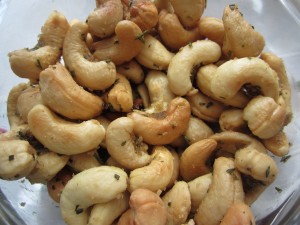
cashewscashews with rosemaryI’m always looking for something yummy around this time of year to serve guests when they stop by for a glass of wine. This toasted nut recipe is easy to make, keeps well and is delicious. Shared with me by my good friend, Barbara Juckett, it’s spicy, sweet, crunchy and herbaceous all at once. Perfect with a glass of anything!

Heat a pound of unsalted cashews in the oven at 350 for 10 minutes. Remove and toss with 1 tbsp fresh rosemary, finely chopped, 1 tbsp brown sugar, dash of cayenne pepper, 2 teas flake salt or fleur de sel, and 1 tbsp good olive oil. Allow to cool and put them in an airtight jar.

Be sure to make lots cuz it gets devoured!

Filed Under: Sagre e Feste, Spices Tagged With: nuts, rosemary cashews, snacks

November 18, 2012 by Gina Stipo Leave a Comment

Salt and Pepper get a Divorce

Salt and Pepper are breaking up. They’ve been together in our kitchens for too long. They have become such partners at the table that you would think they’d been officially married by some Higher Power. And although salt and pepper are essentially two separate ingredients with different roles to play on the plate and palate, somewhere along the line they got fused into one, with pepper as salt’s inevitable sidekick.

No matter what other seasoning goes into a dish, most recipes invariably finish with “salt & pepper”. Salt and pepper are eternally paired in matching shakers on the table. Chefs in restaurants mix pepper with salt together in a bowl and use it to flavor every dish that walks out the kitchen door. Waiters attempt to indiscriminately garnish everyone’s plate with fresh grinds of black pepper. We season by rote.

Well it’s time for Salt and Pepper to get a divorce!

After 12 years spent cooking in Tuscany, I found myself reaching for the pepper mill less and less until I stopped using it altogether. I began to notice this when my students started asking me why we weren’t putting pepper in anything. My answer was always “because it isn’t necessary.” I had learned to season food differently, relying on strong flavors like Tuscan olive oil, sage and rosemary.

Tuscan cuisine utilizes intense flavors like rosemary, sage, capers, wild fennel and garlic, all of which are free for the picking in gardens and fields. In addition, Tuscan extra virgin olive oil is peppery, adding a heat to the dish that renders black pepper unnecessary.

When we season with other strong spices like cumin, cinnamon, clove or cayenne, it’s because we want a particular flavor to stand out. We don’t put those spices indiscriminately in everything we eat, but use them to add sweetness, complexity or heat to a dish. Black pepper is the only spice we use without thinking. Putting black pepper in everything we cook results in both a failure to truly appreciate it as well as a sameness of flavor.

So think before grabbing the pepper mill the next time you’re in the kitchen. Set salt and pepper free from each other and see what it does for your cooking!


Filed Under: Salt, Spices, Tuscany Tagged With: pepper, salt, sea salt, seasoning

Recent Posts

  • Italian Cuisine in the World!
  • Warming Winter soups
  • Visit Emilia Romagna
  • Chestnuts for the Fall
  • Anchovies & colatura, ancient Italian umami

Categories

  • Abruzzo
  • aperitivo
  • Basilicata
  • Blog Categories
  • Campania
  • cheese
  • chianti classico
  • Cured meats
  • dessert
  • Emilia Romagna
  • festive Italian dishes
  • Frittura
  • Lazio
  • Louisville
  • meats
  • olives/olive oil
  • Pasta
  • Piedmont
  • Puglia
  • Sagre e Feste
  • Salt
  • seasonal & summer fruit
  • seasonal vegetables
  • Sicily
  • soups
  • Spices
  • supper club
  • Tuscany
  • Veneto
  • Wine
  • winter
Interested in seeing Italy with Chef Gina?
Then check out her schedule of immersion cooking classes and tours in Italy through Ecco La Cucina!

Handcrafted with on the Genesis Framework