attheitaliantable.com

  • attheitaliantable.com
  • Home
  • Recipes
  • Chef Gina Stipo
  • Join Gina & Mary in Italy!

March 17, 2017 by Gina Stipo Leave a Comment

Frittelle di San Giuseppe – rice fritters for St Joe!

In Italy this weekend they will celebrate Father’s Day, which falls on March 19th, the feast of San Giuseppe, or St Joseph.  Because he was the earthly father of Jesus Christ, celebrating all fathers on this day elevates their role in the family and makes more sense than a random Sunday in June!

As with all religious holidays in Italy, special foods are used to mark and celebrate the occasion and differ from region to region.  In Sicily, where the Festa di San Giuseppe is said to have originated after a severe drought, they build altars to St Joseph in their homes.  A table is decorated with flowers and statues of St Joe and the Holy Family and covered with special breads and savory dishes.  Because it is in the middle of Lent, the feast day specialties often feature fish, such as a pasta dish of canned sardines cooked with tomato and wild fennel fronds.  The pasta dish is then topped with bread crumbs, representing the sawdust that would have covered the floor of St Joseph’s workshop.  A special cream puff, zeppole, is made in Naples, filled with pastry cream and topped with a cherry.

Click here for more history on the feast of San Giuseppe
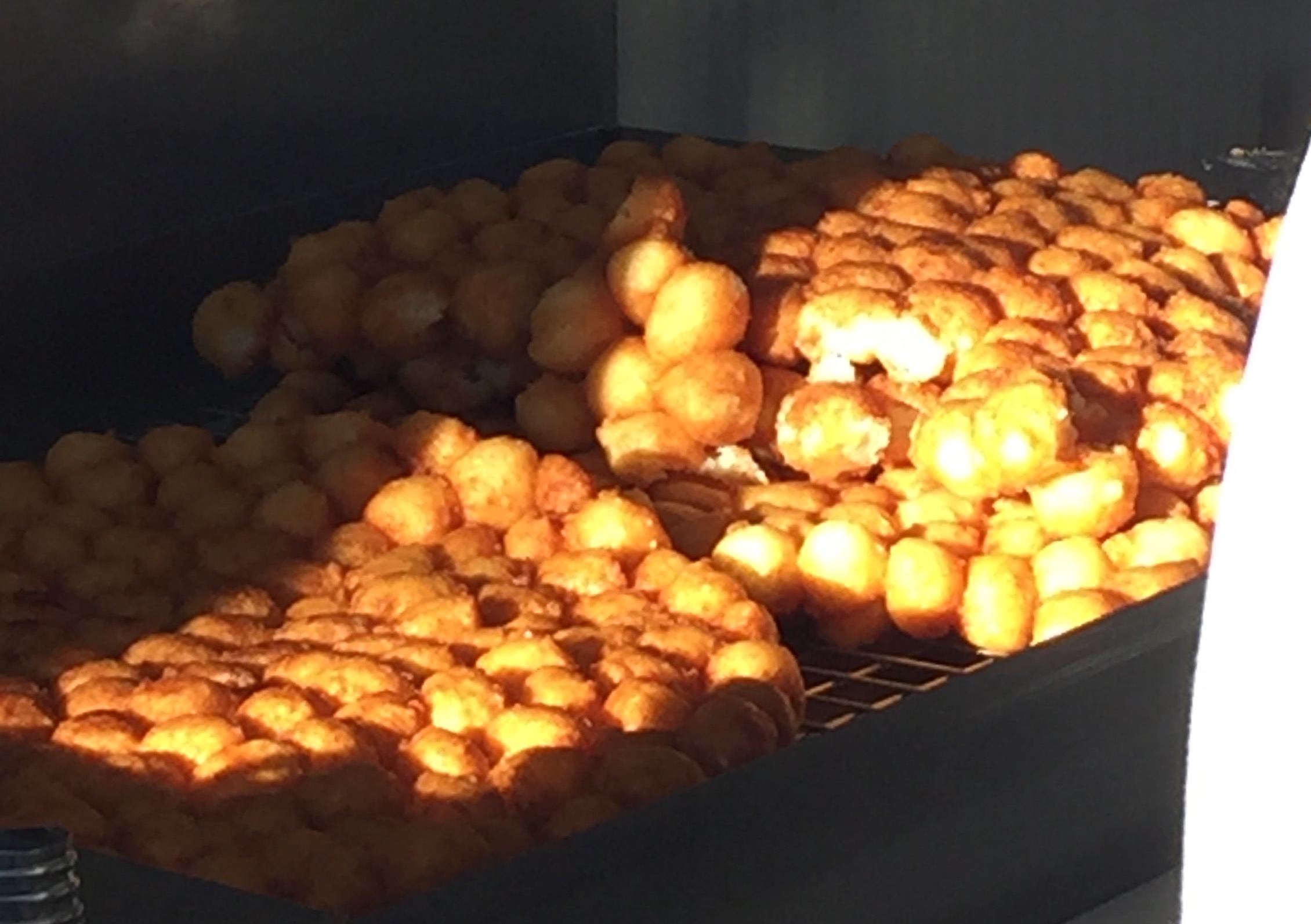
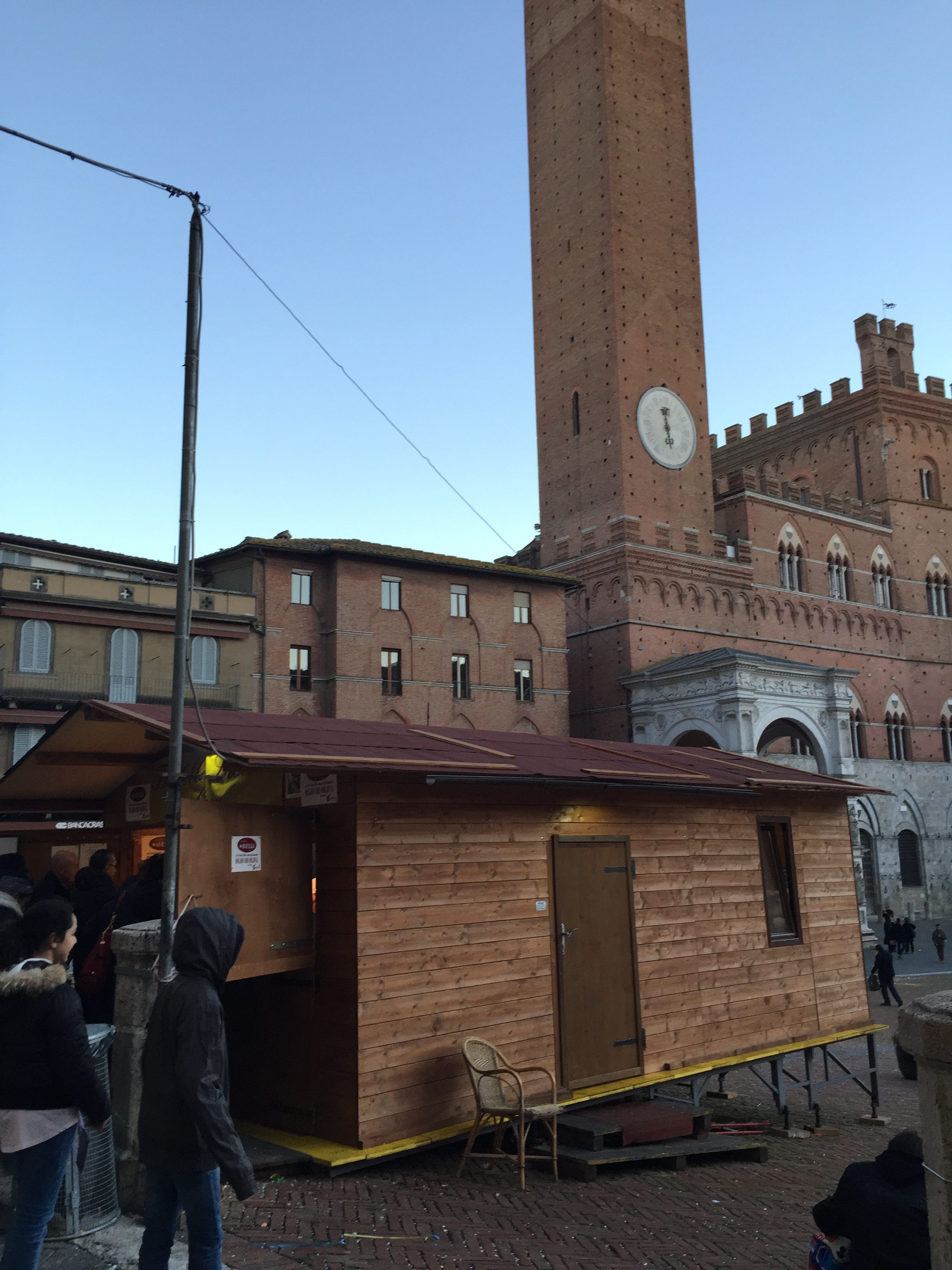
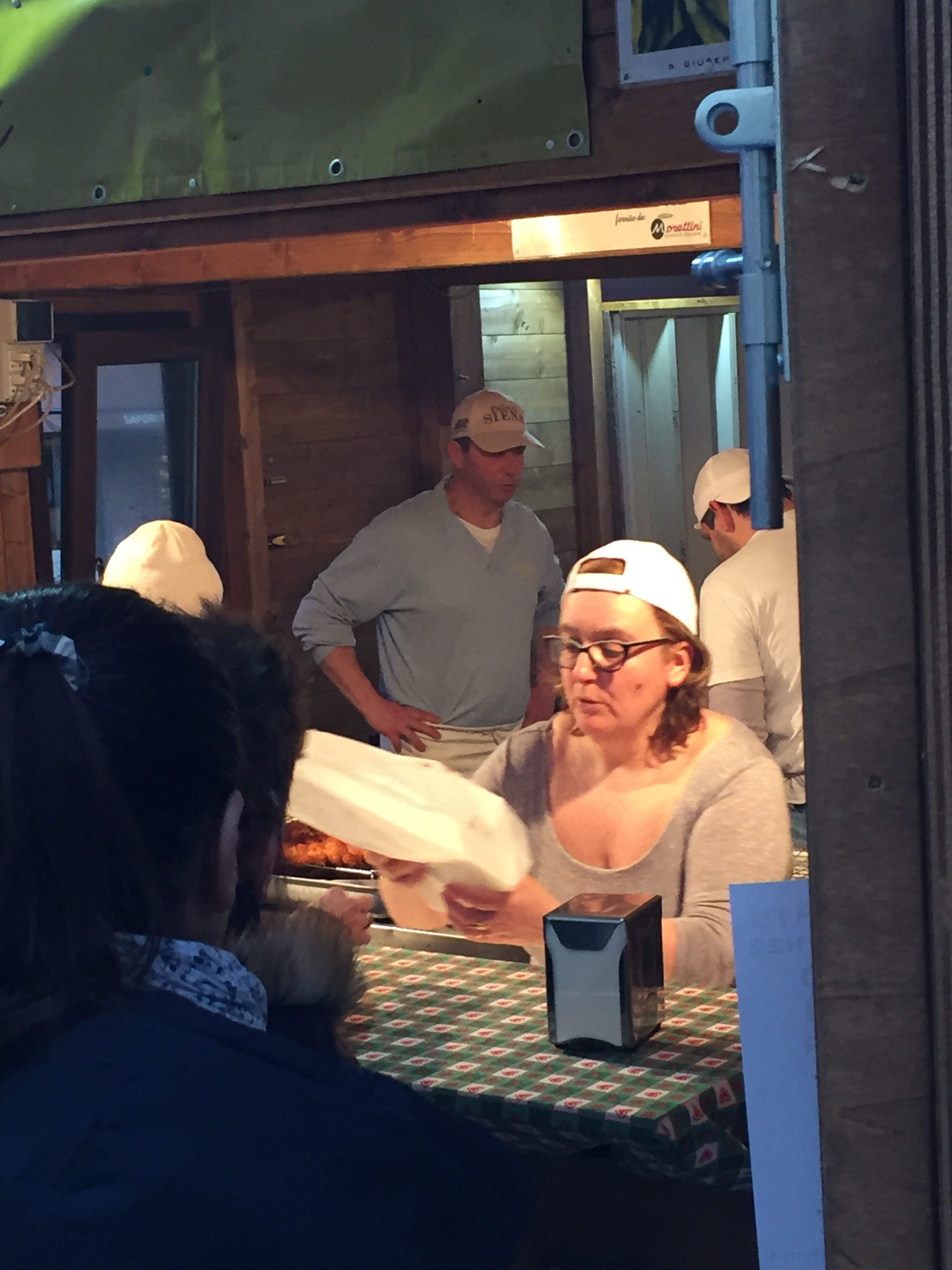
My favorite treat for San Giuseppe are the fried rice balls they make in Tuscany.  Frittelle di San Giuseppe are balls of arborio rice flavored with lemon and orange zest.  Fried in hot oil and rolled in granulated sugar, they are sweet, crunchy and available in bakeries and special outdoor stands at this time of year.  In the main Piazza di Campo of Siena, a small wooden hut is erected at the end of February and manned by the retired men and women of the community.  The men fry the frittelle in large vats of hot oil and the women wrap them in cones of paper and sell them all day and into the evening, 3 for a euro.   The delicious smell of frying dough fills the piazza!  We were lucky to be there in February, it had been several years since I’d had them!
However the feast of San Giuseppe is celebrated, it’s a way to let you know winter is drawing to a close and spring is on it’s way!

Happy Fathers Day to all you fathers!  If you are lucky enough to still have your dad, be sure to give him some Italian love on this special day!

Here is the recipe for Frittelle di San Giuseppe:

Frittelle di San Giuseppe (St Joseph Fritters)

1 lb rice

3 quarts water

1 teas salt

Zest from 1 orange and 1 lemon

2 tbsp flour
Filed Under: Blog Categories

January 17, 2017 by Gina Stipo Leave a Comment

Come join us for the Palio of Siena!

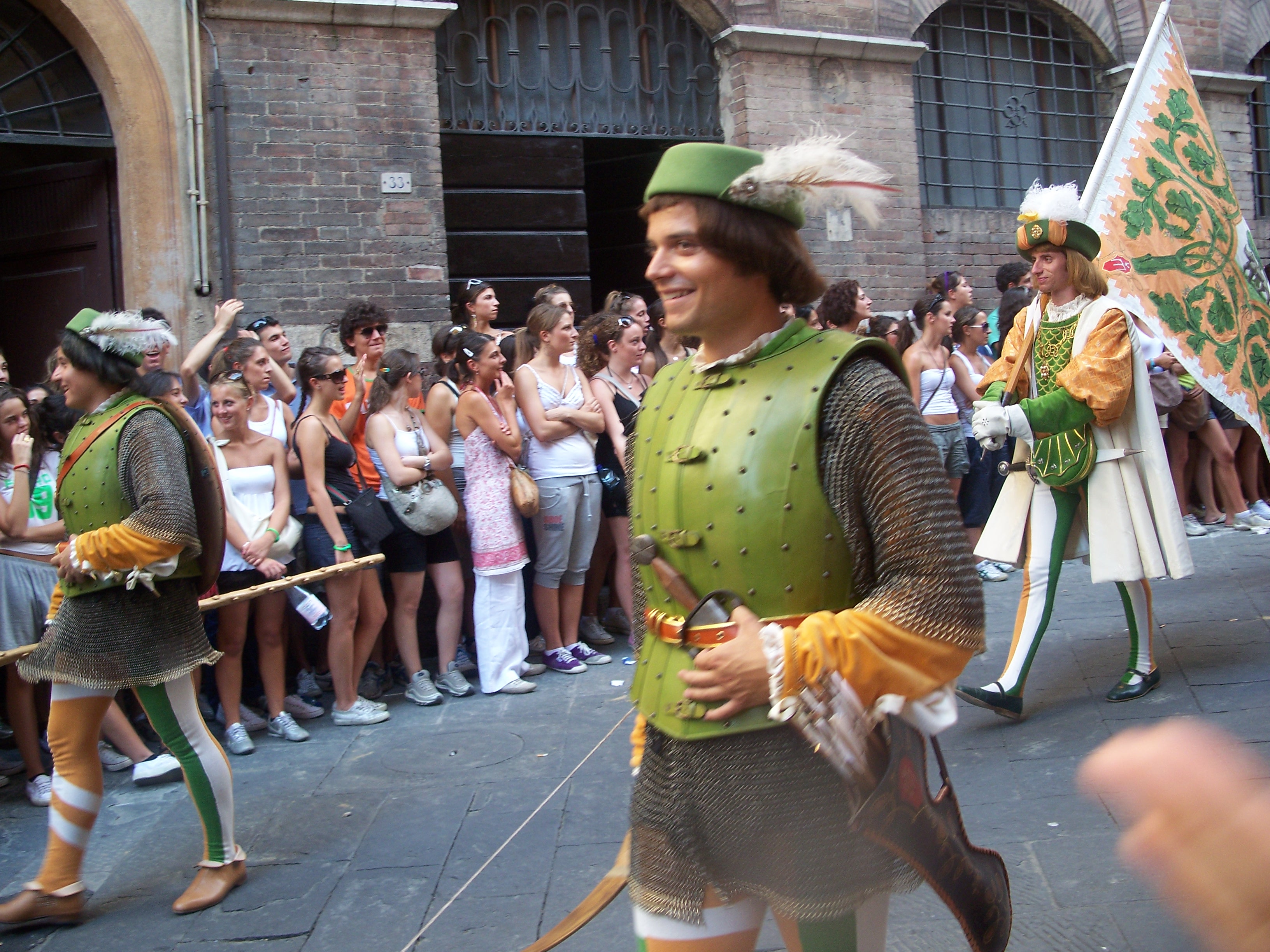
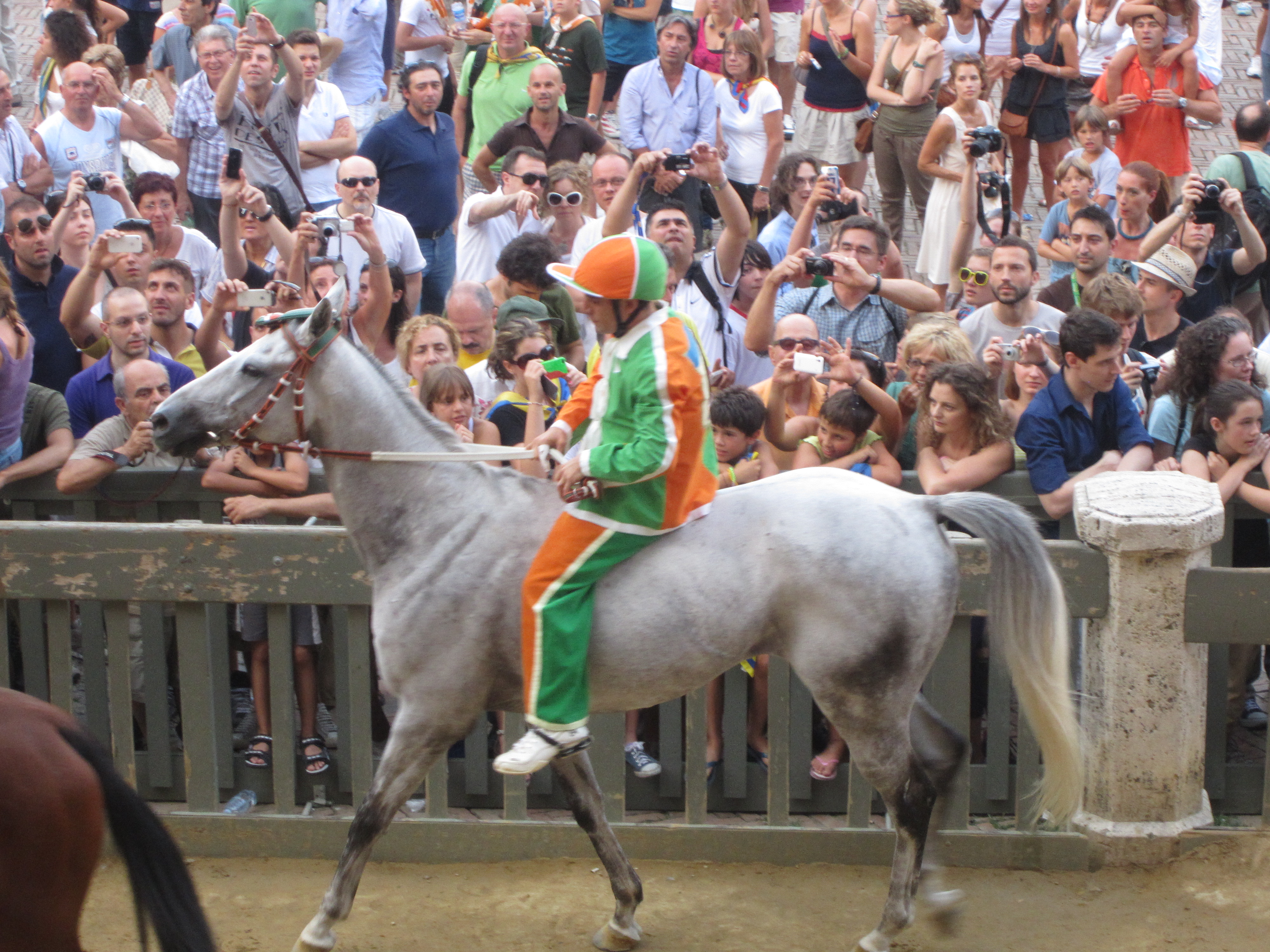
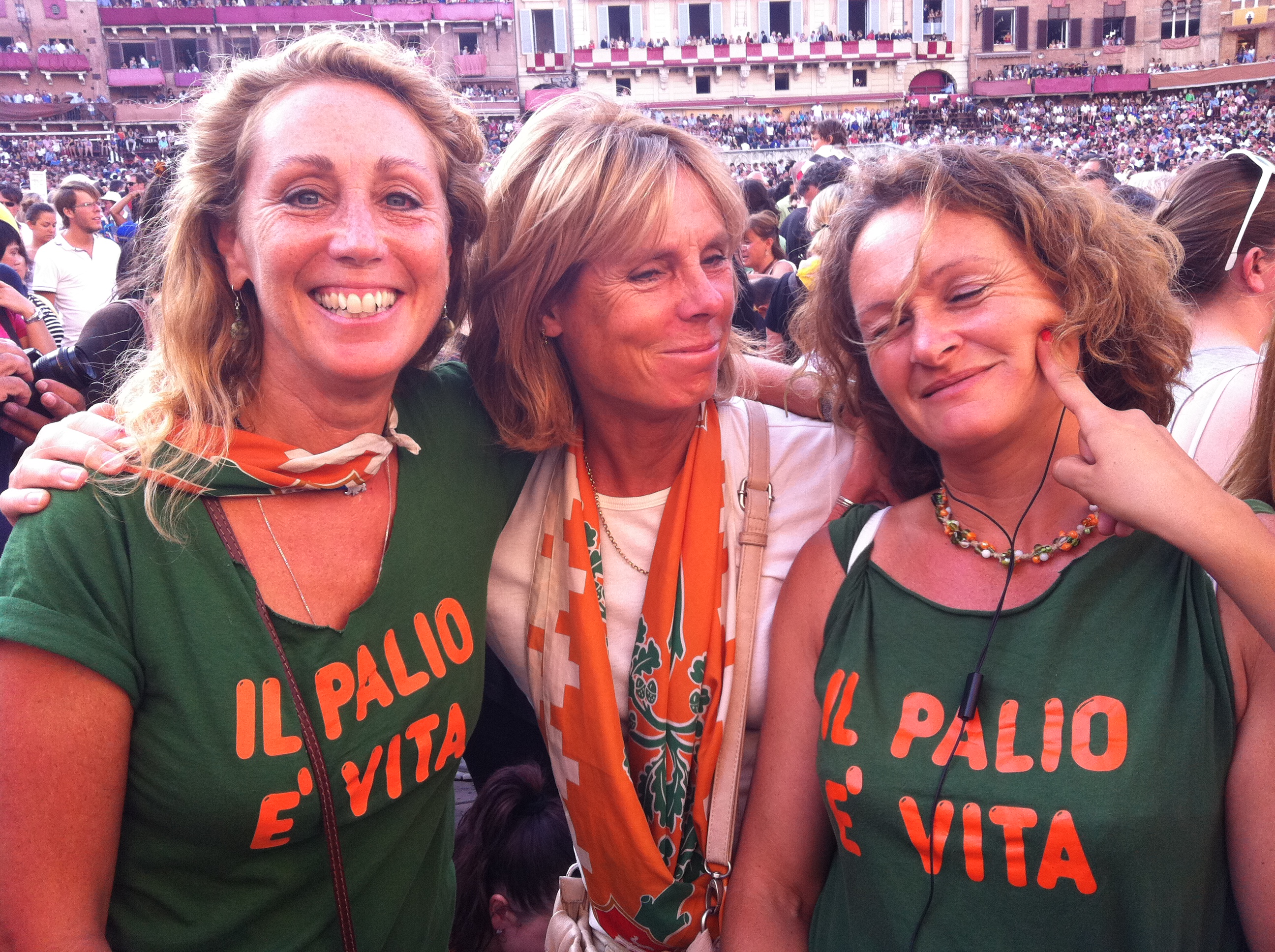
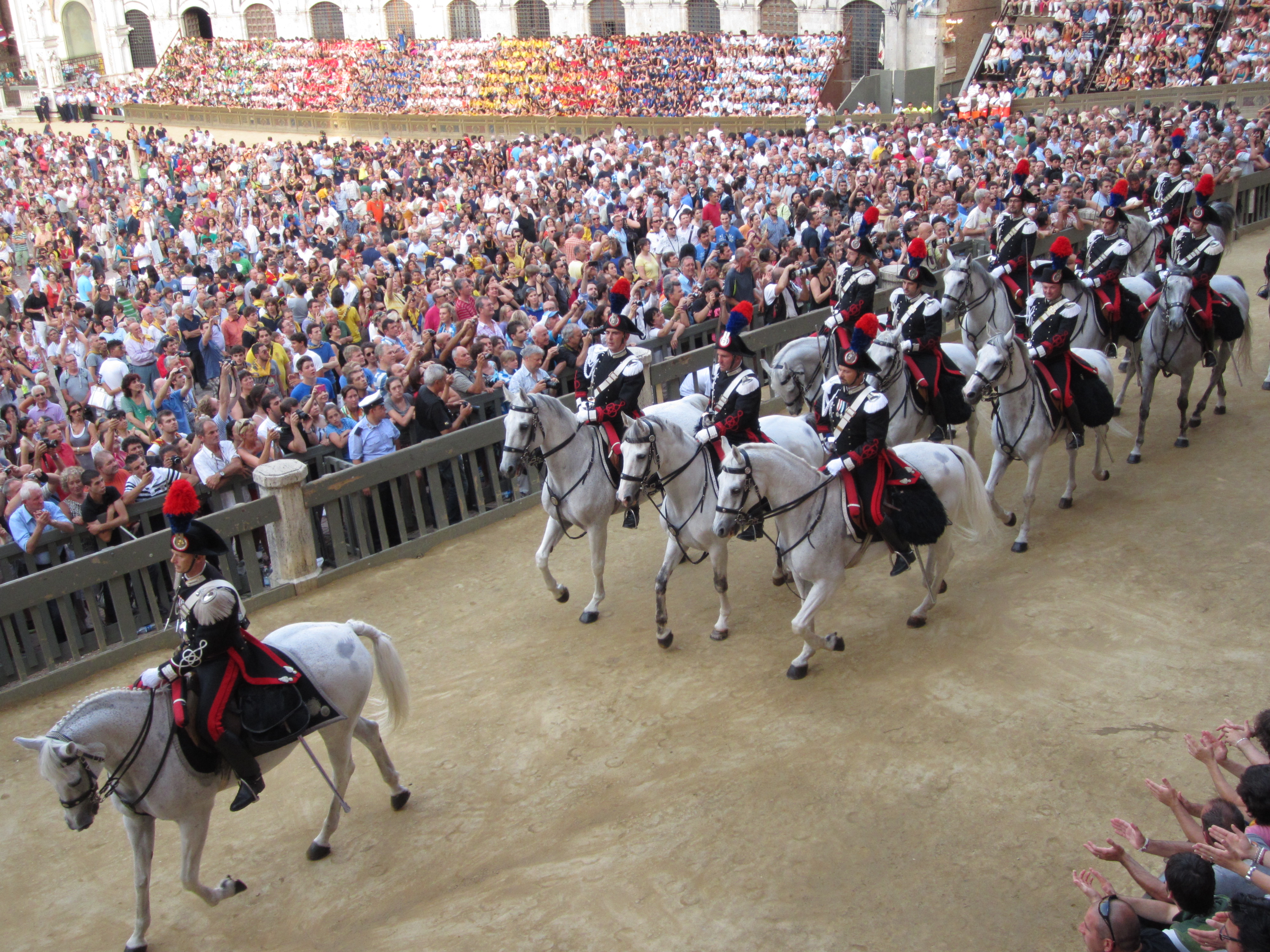
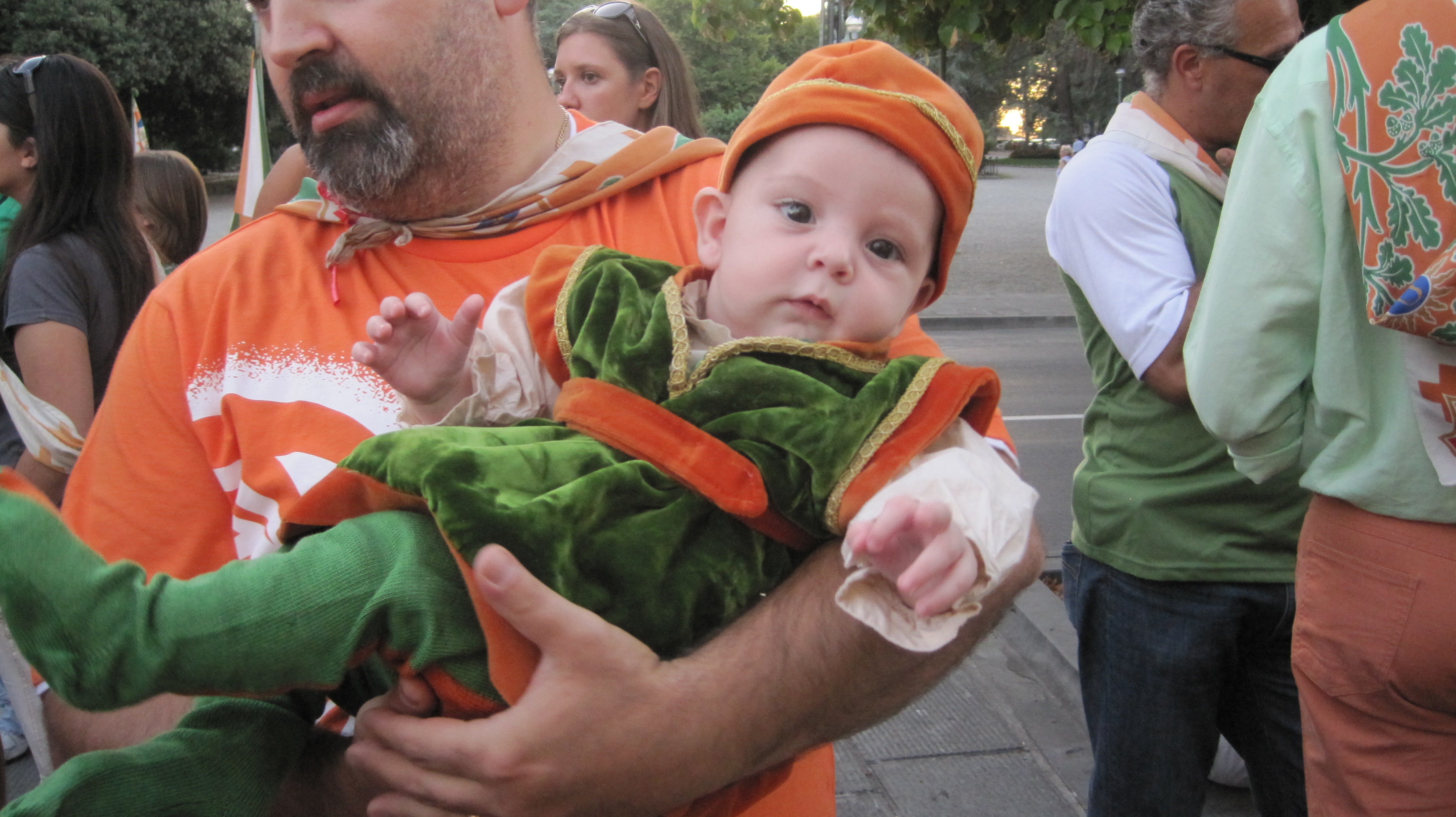
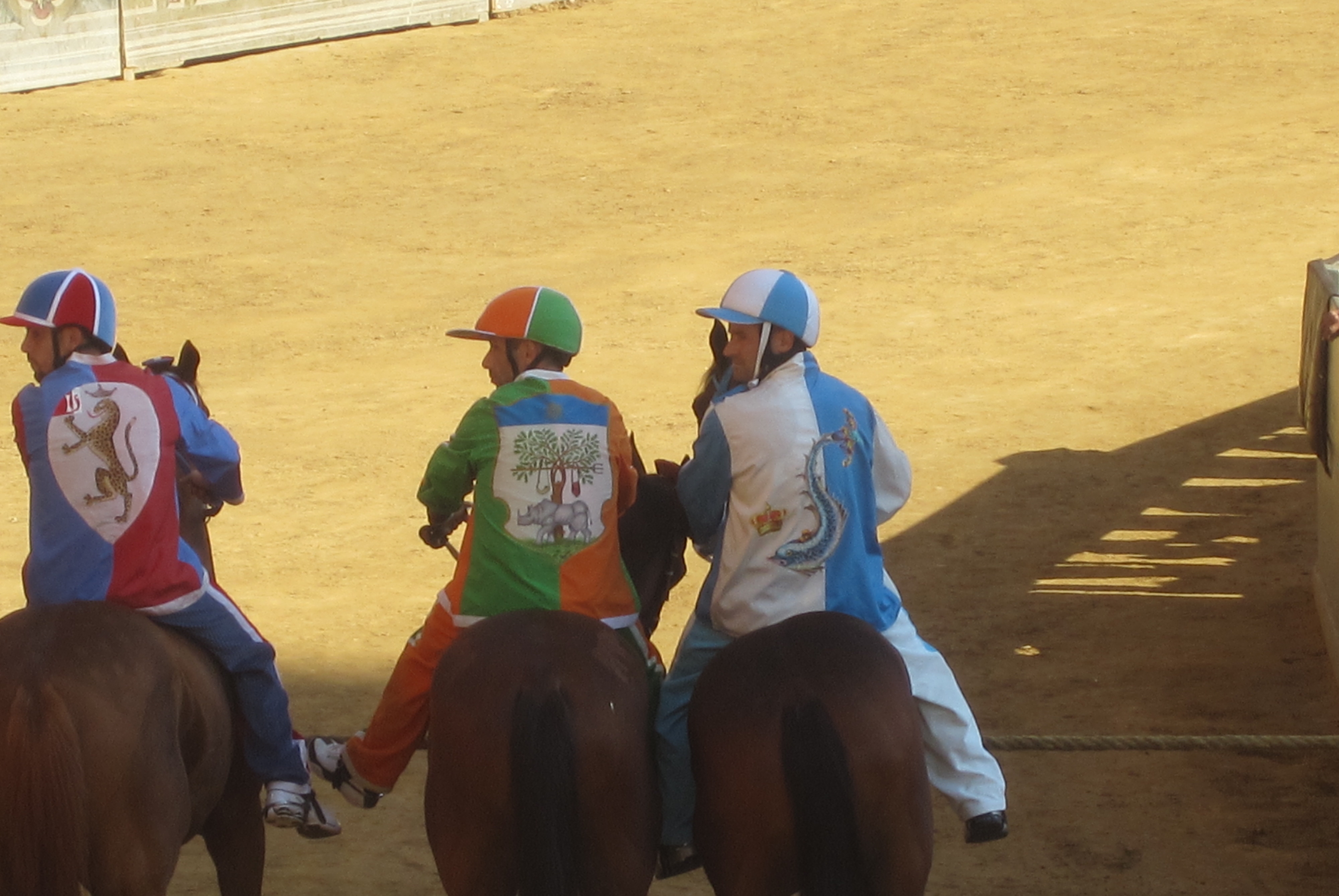
la mossaIt’s on everyone’s bucket list – the most amazing and exciting sporting event in the world, a bareback, no-holds-barred historic horse race around the main Piazza of the medieval city of Siena, and this is your opportunity to experience it!  Join us for our Days of the Palio tour and you will be immersed in this important cultural event when we take ten lucky people to Siena for the July 2nd Palio this summer.

100_2743

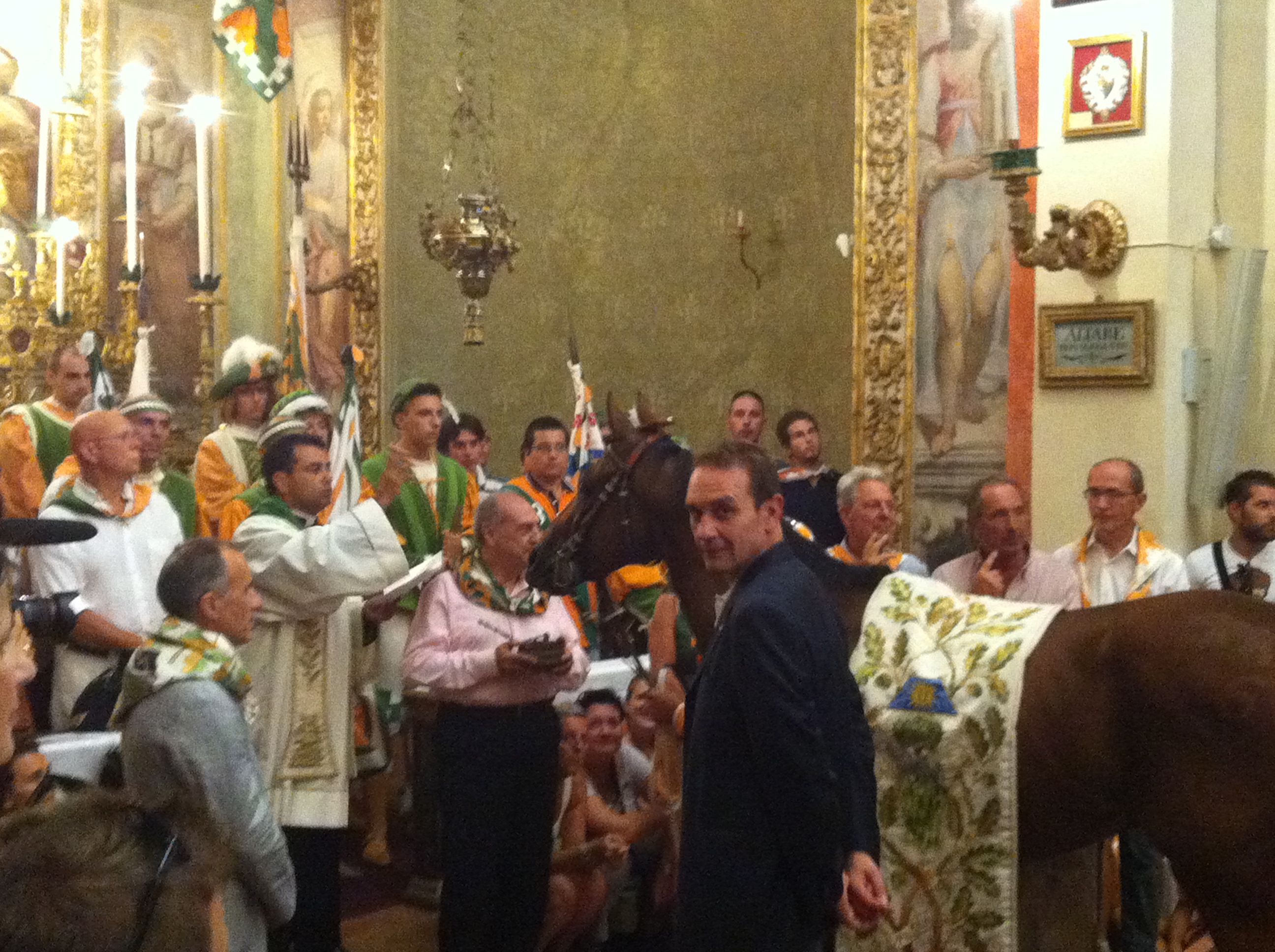
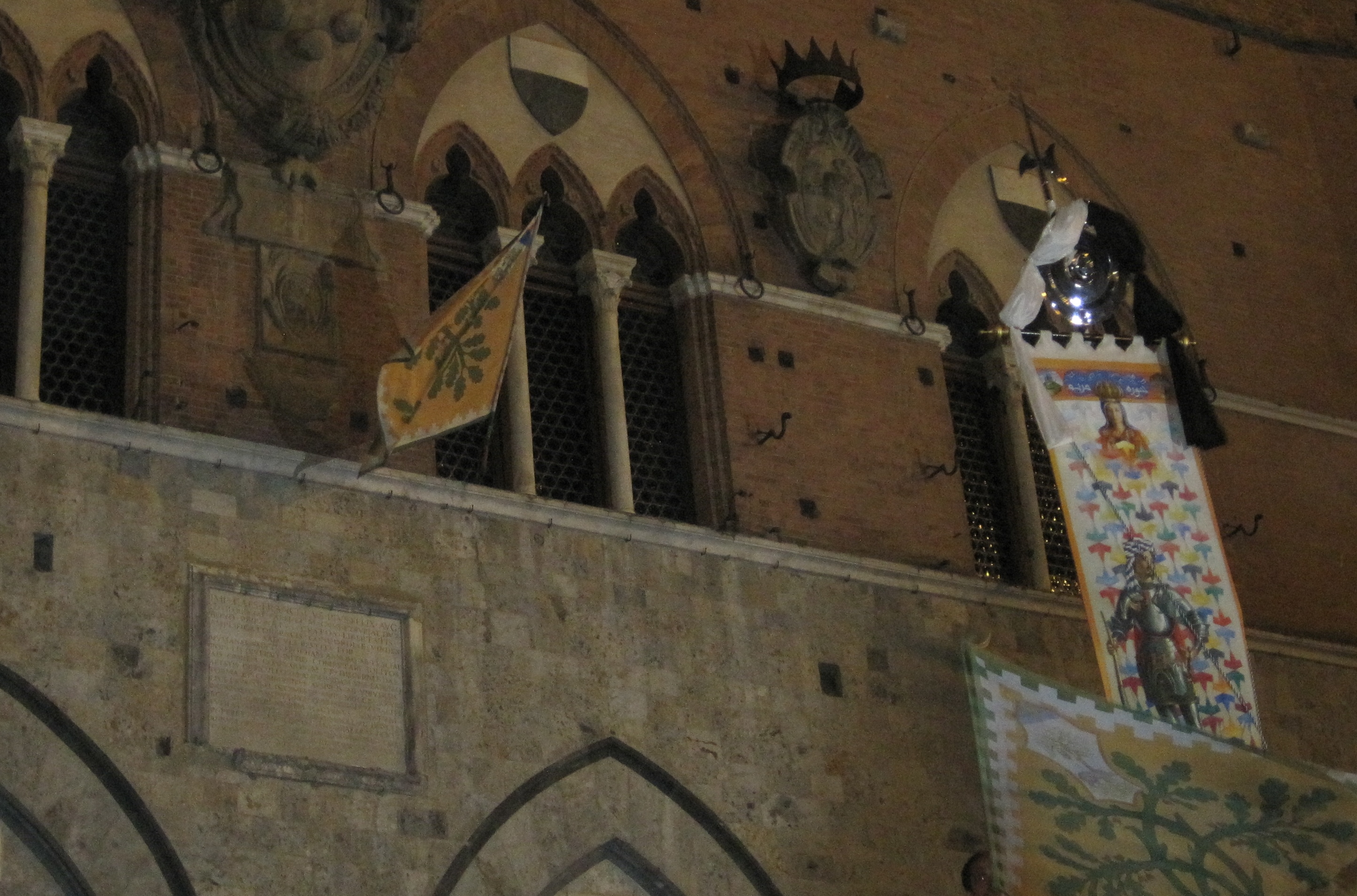
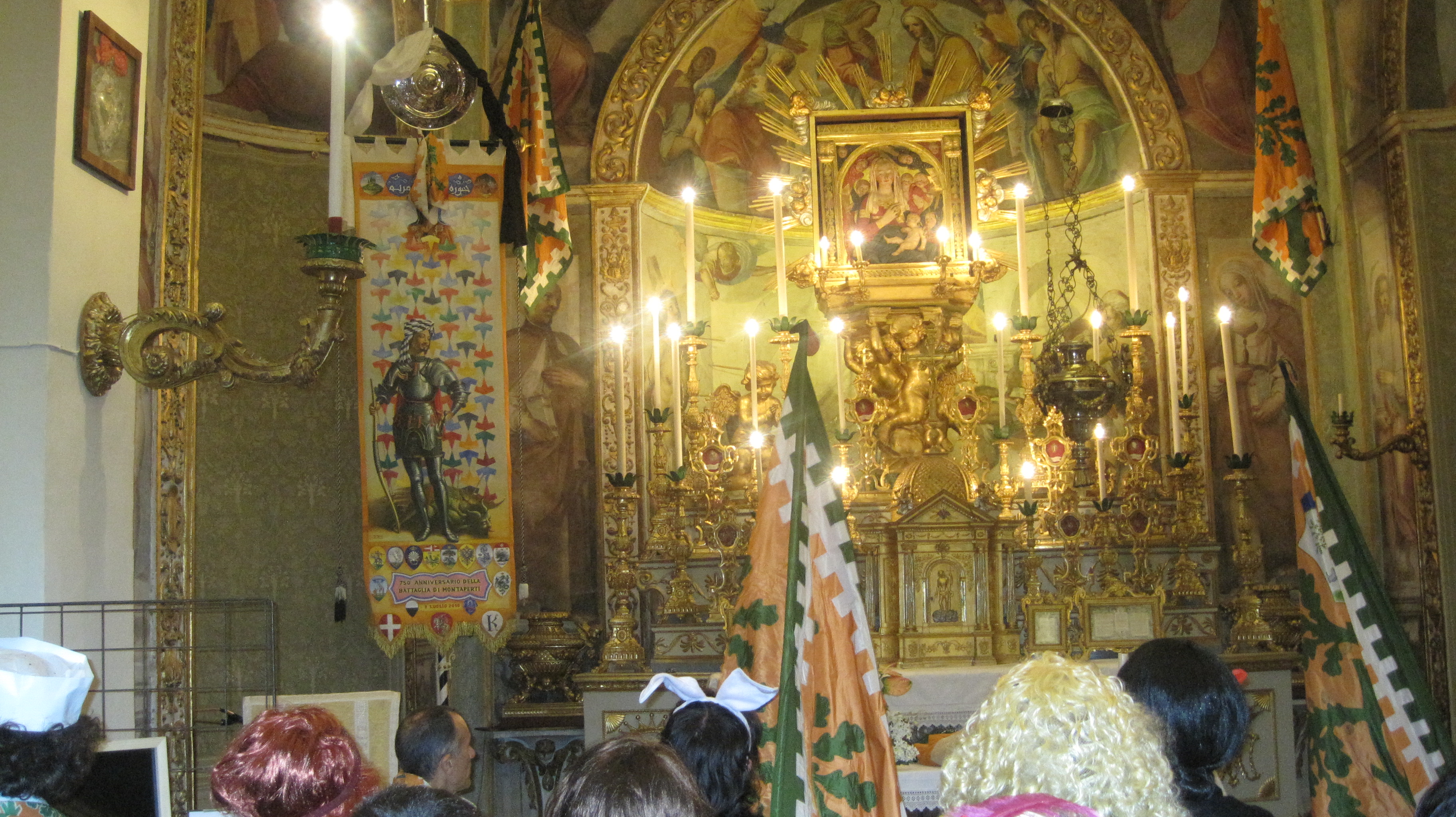
IMG_1611The oldest continually-run horse race in the world, it is run only twice a year, in July and August. More than just a single event, this special cultural festival spans four days of trial races, dinners, parades and traditions. The days of the Palio begin when the horses are chosen and assigned to the participating contrade (neighborhoods), and culminate with the winning contrada demanding the coveted silk banner that signals victory, to be lauded and paraded all over the city that evening.   IMG_1675IMG_1519

In order to truly appreciate and experience the The Palio, you must be immersed in the culture beforehand to gain an understanding of what makes it so special: which contradas are enemies or allies, what horses have won before and which are new to the track, which jockeys have won and who is known for selling out the contrada that mounts them. Gina lived in Siena for over thirteen years and as a member of the Selva contrada, her in-depth knowledge of the Palio, the Sienese and life in the contrada will ensure that your immersion into Siena and their time-honored traditions during the days of the Palio will be complete!IMG_1686

Our Days of the Palio tour includes:

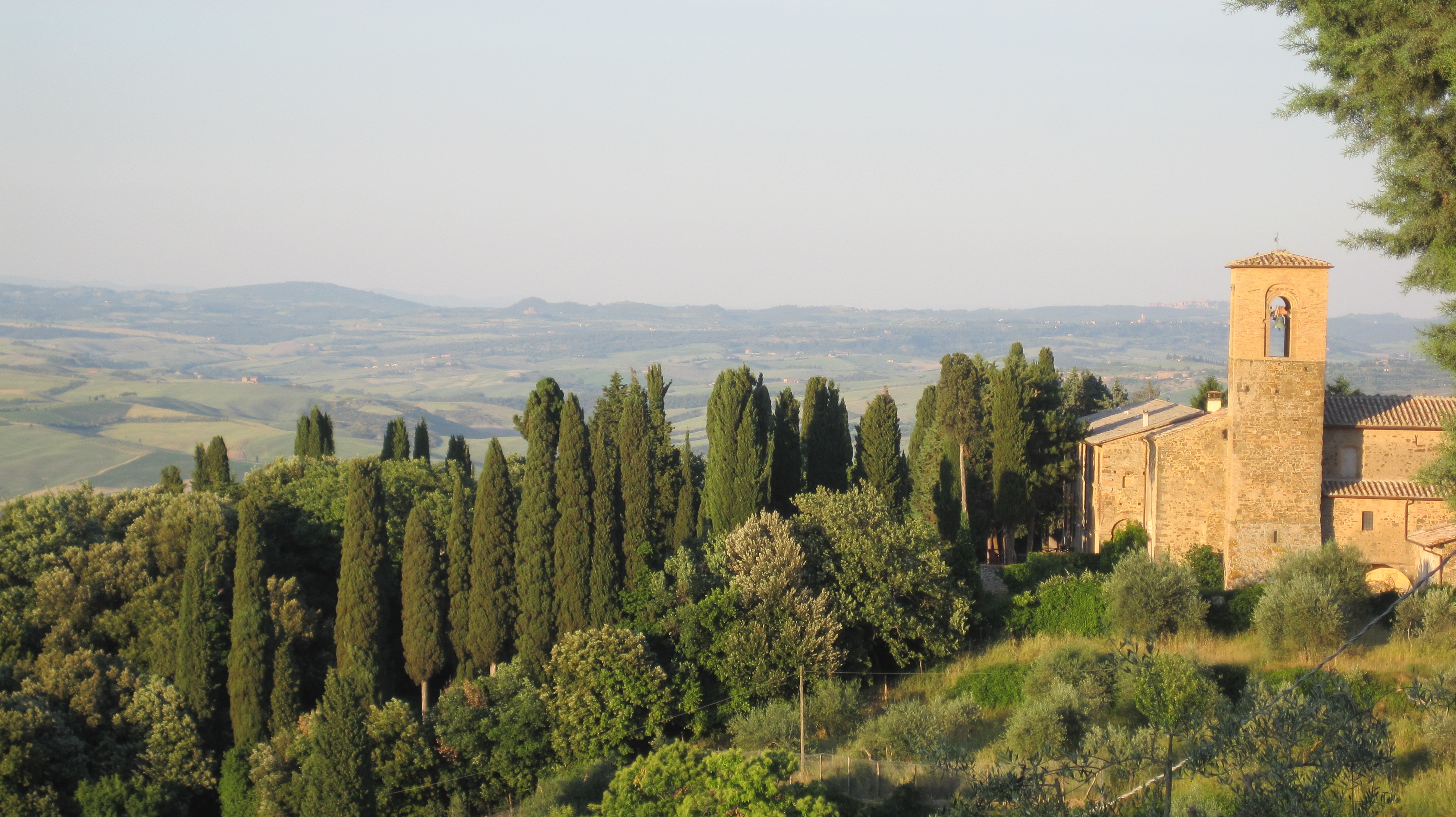
* 5 nights private accommodation at a beautiful villa close to Siena

* Premium balcony seats above the Piazza del Campo to view the historic medieval parade, the charge of the mounted military police and most especially for the July 2nd Palio

* Insider’s guided tour of several contradas, their chapels and museums to view the ancient and recently won silk bannerIMG_2975

* Special contrada dinner the night before the race in the Selva contrada (La Cena Generale) with its festive atmosphere of singing, drinking and speeches by the jockey, the captain and the head of the contrada

* Attendance at the event when they choose the horses and assign them to each contrada (La Tratta), which is second only to the Palio in terms of anxiety and excitement

* Guided walking tour of Siena with emphasis on Palio history

* Visit to Montalcino with a winery tour and lunchIMG_4680

* All meals and transportation to all scheduled events

* All inclusive pricing:      $4500/per person, double occupancy

Early bird        $4300/ per person with registration by 1/28/2017IMG_1651


We are only taking 10 people and we must have everyone signed up and committed for this tour by February 15th in order to purchase the best balcony seats in the Piazza.

Whether you’re a fan of horses and racing or just want to experience an amazing cultural event, the Days of the Palio are sure to charm and enthrall you. Come experience this glorious tradition with Gina and Mary!

And Viva La Selva!!IMG_2336


Filed Under: Blog Categories, Sagre e Feste, Tuscany Tagged With: culinary tour, Days of the Palio, Italian cultural tour, Italian tour, Palio, palio of siena, palio tour, Siena, Tuscan tour

November 7, 2016 by Gina Stipo 2 Comments

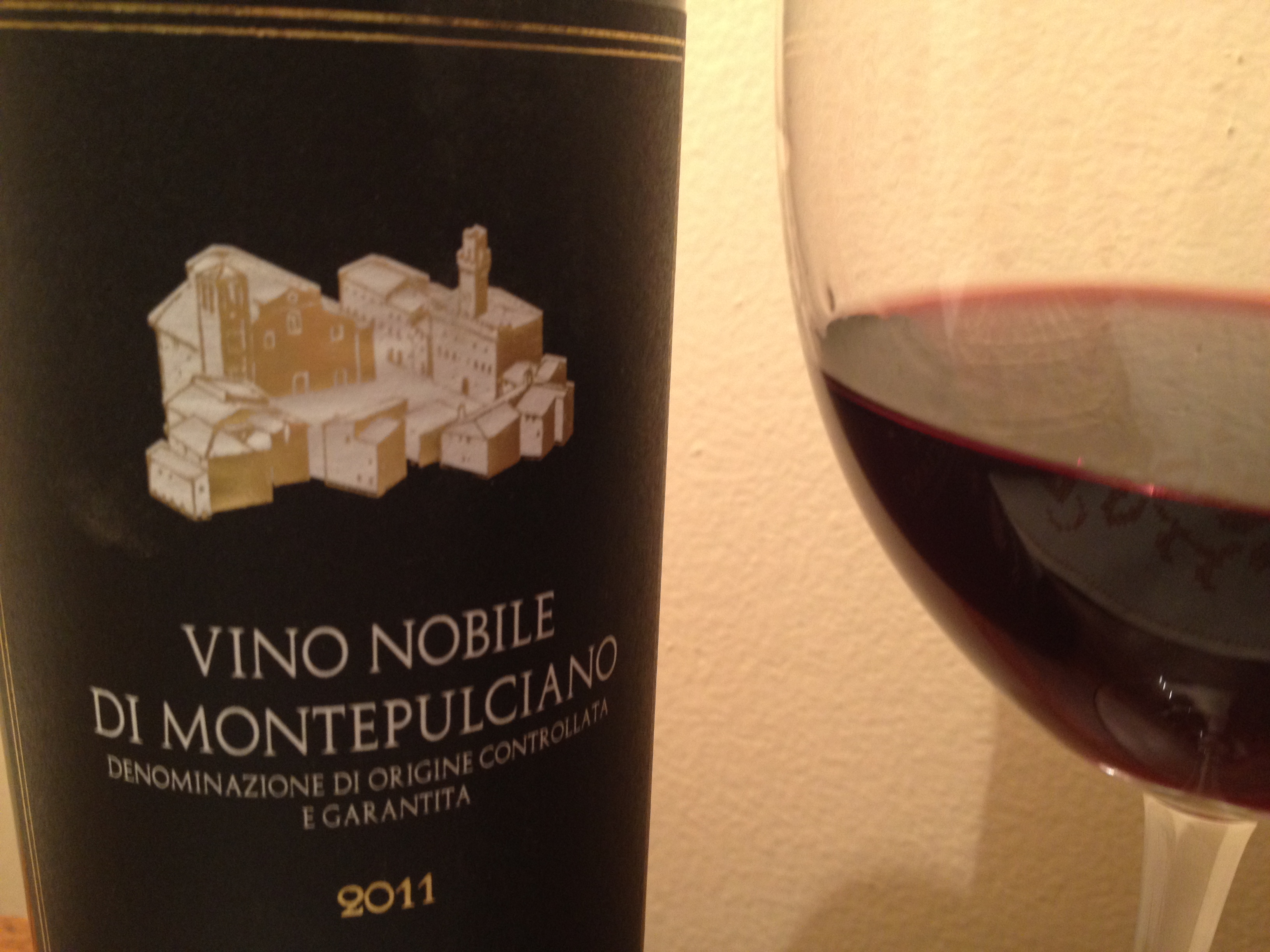
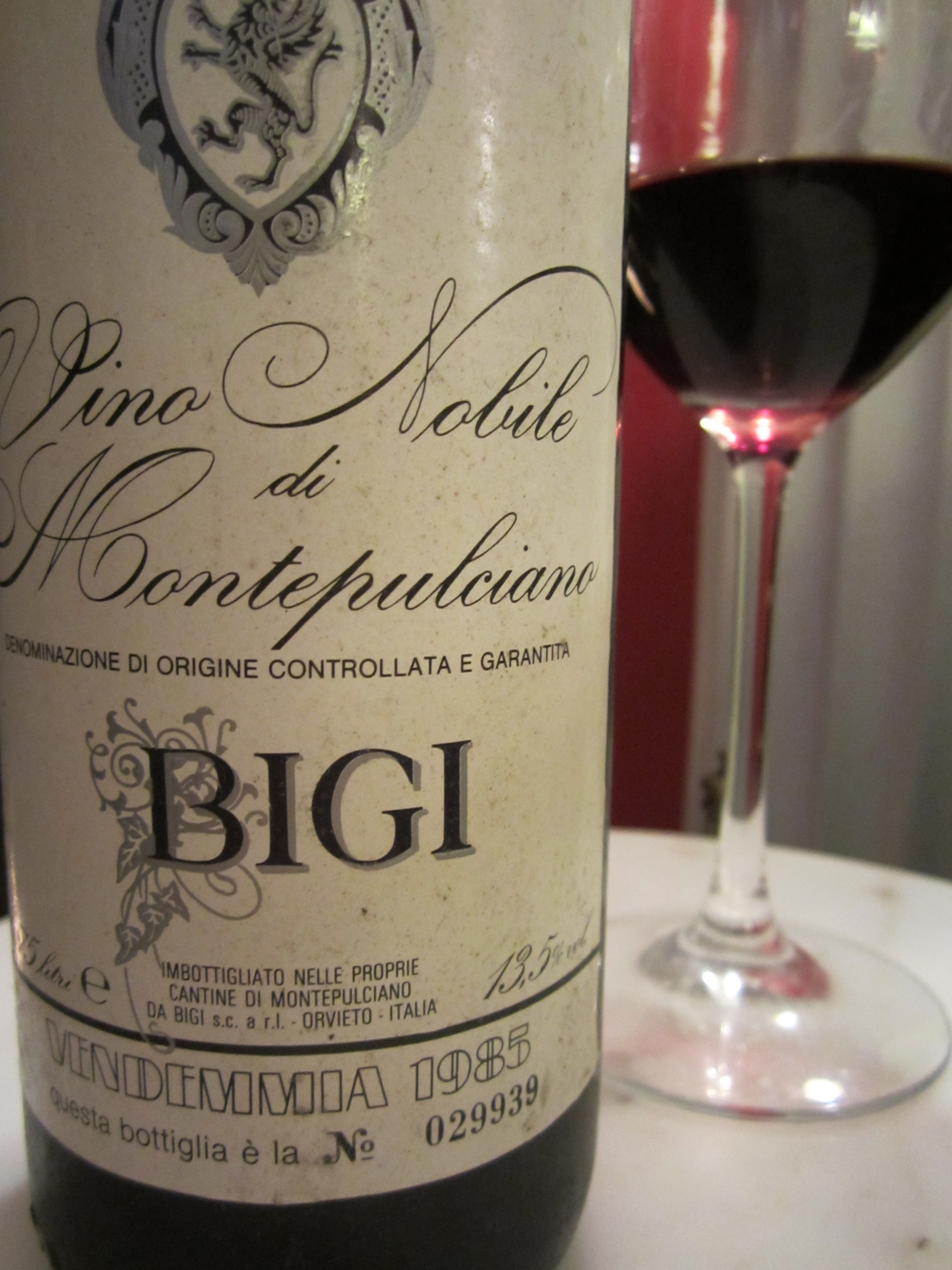
The noblest of wines: Vino Nobile di Montepulciano

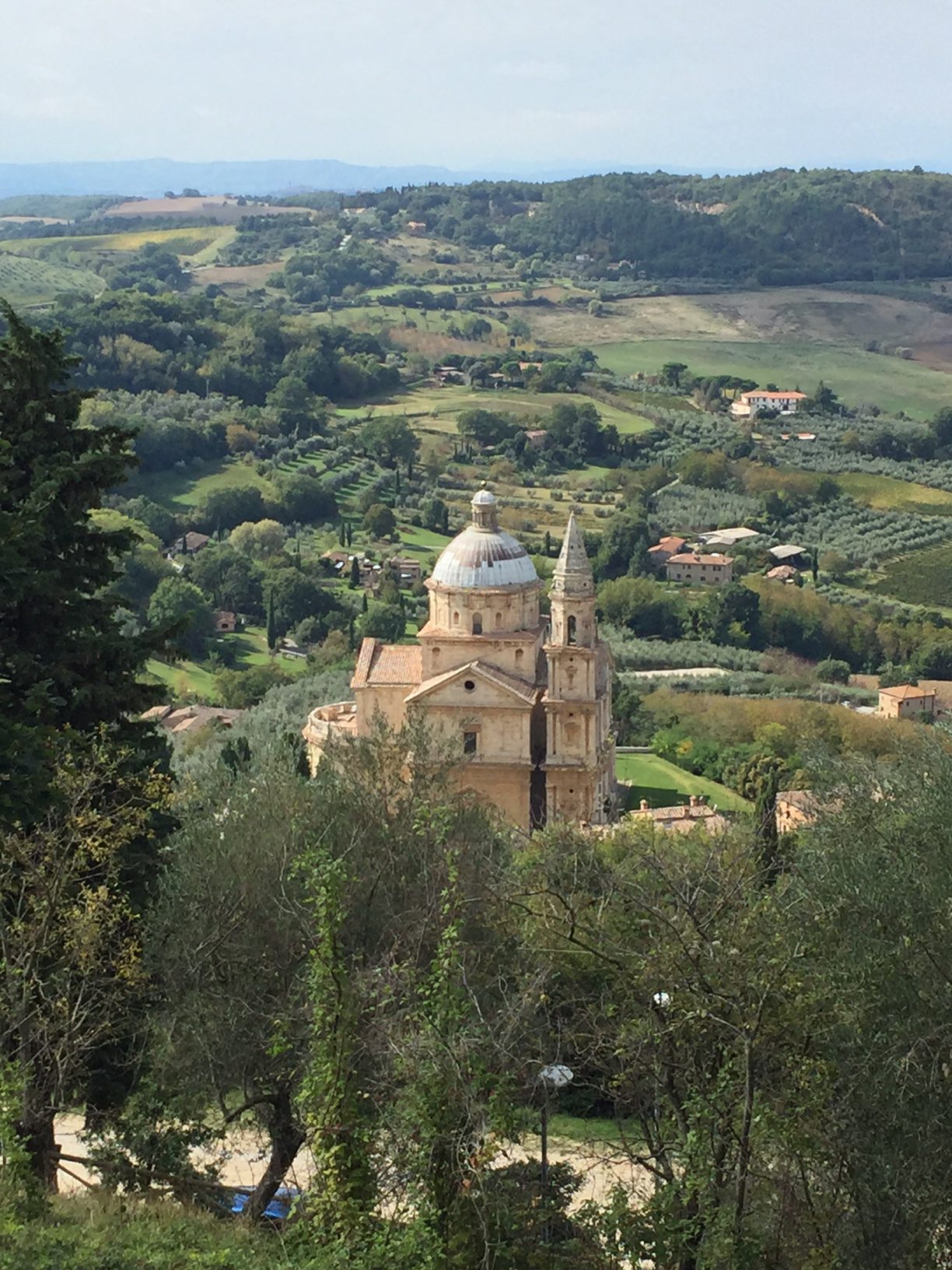
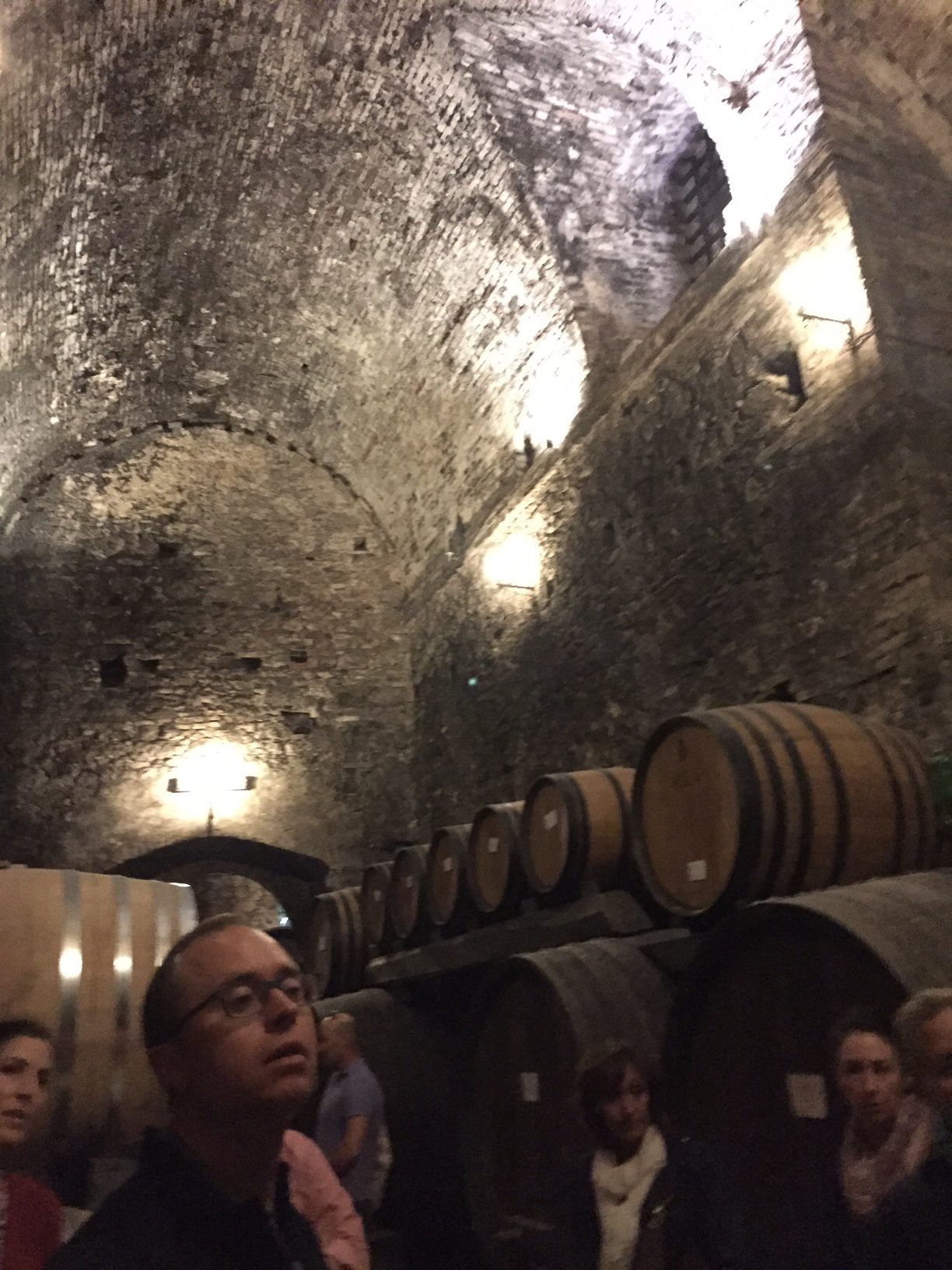
img_3474In our newsletter we usually talk about food, what we’re making and what’s in season, but this issue I’d like to talk about our favorite Tuscan wine, Vino Nobile di Montepulciano DOCG.  We just returned from touring two culinary groups through the area and had some wonderful cantina tours and tasted excellent wines when we were in the beautiful town of Montepulciano.san biagio

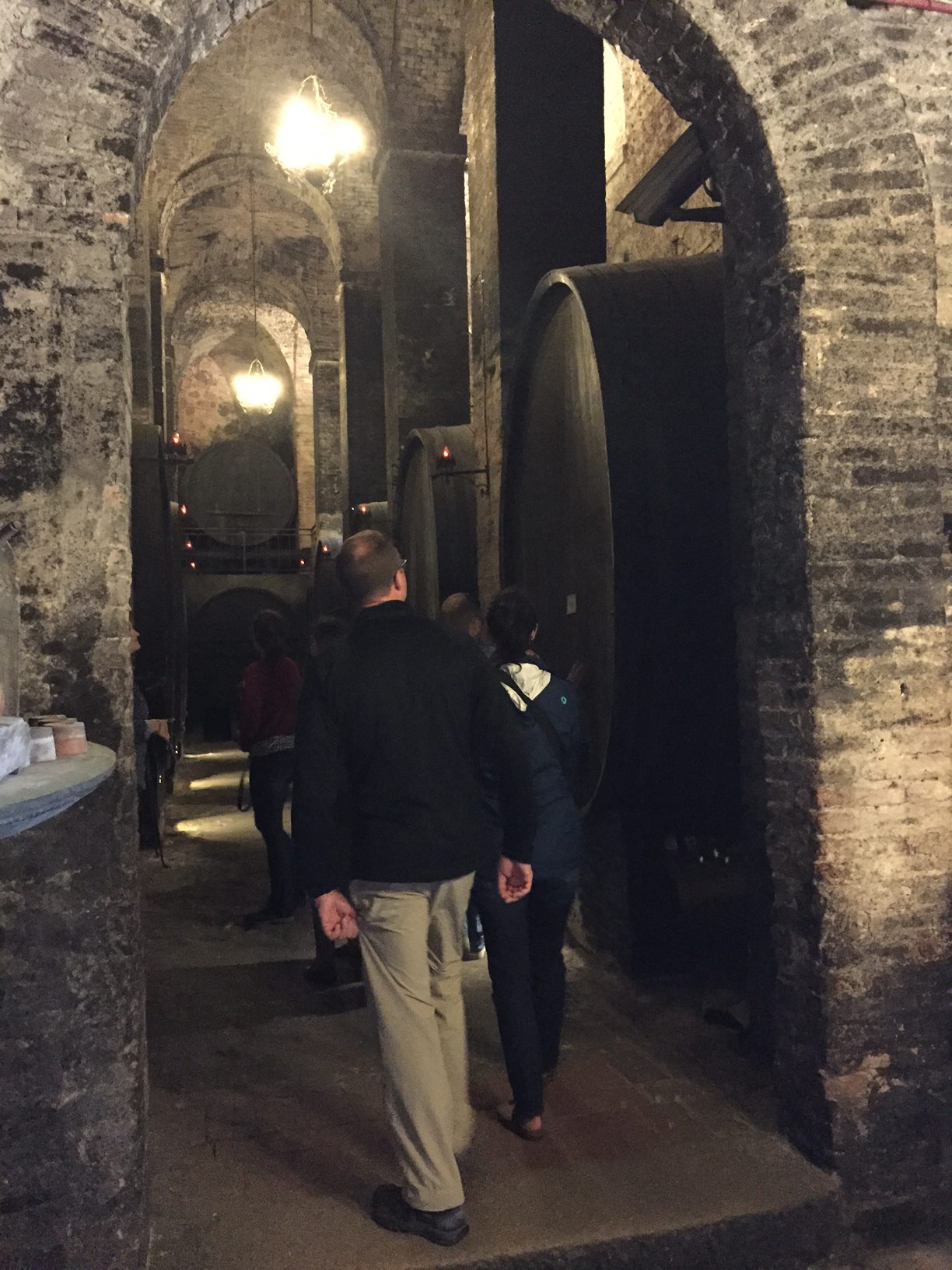
An old walled city high on a hill just to the west of the A1 to Rome, Montepulciano was an important Etruscan town in the times before the Roman Empire.  The city sits on a hill of tufo, a yellowish sandstone that is easy to burrow yet strong enough to support large structures and palaces.  From ancient times, the people who inhabited the city dug caverns and tunnels under the buildings to use for storage and to make wine, and most of these tunnels are still in use today. The city’s close proximity to a main artery going into Rome meant that it was a stopping place for travelers and pilgrims.  The city’s reputation for making excellent wine was reknowned and the wine was served on tables of nobility, aristocrats, cardinals and popes from medieval times.  Most of the elegant palaces built by nobility still stand today and date from the 1500’s.

A noble wine with a long history, Vino Nobile is made with a 70% minimum of the prugnolo gentile clone of the sangiovese grape (there are many clones, including sangiovese grosso used for Brunello di Montalcino), as well as a blend of other grapes indigenous to the area around Montepulciano and Tuscany.  These can be a combination of malvasia nera, ciliegiolo, colorino, canoiolo nero or mammolo.  img_3615

Don’t confuse Vino Nobile di Montepulciano with a wine of lesser heritage, Montepulciano d’Abruzzo DOC, which is from Abruzzo, not Tuscany.  The grape in that wine of simpler breeding is montepulciano.  The story goes that they chose that name for the grape because the word ‘montepulciano’ was already associated with excellent wine and they thought it might help this wine from Abruzzo sell. Unfortunately, that’s exactly what happened and on wine lists and in wine shops all over the US you find many options of the lesser wine from Abruzzo, and very few examples from producers of Vino Nobile di Montepulciano.

According to the laws governing the making of Vino Nobile, it must spend 18 months in wood barrels, large or small, which helps it improve with age.  It drinks best when it has at least 5 years on it, so hang onto it if you do find it!

img_3620The wine is worth seeking out so be sure to ask about it at your local shop or restaurant.  If you have a great wine shop, like Wine Rack in Louisville or Total Wines, they may even be able to order something in for you!

And if you get a chance to go to Tuscany, be sure to spend a day combing the ancient cantinas and cellars of the town, tasting the excellent wines of the area!vino nobile

Filed Under: Tuscany, Wine Tagged With: montepulciano, noble wine, vino nobile di montepulciano

August 25, 2016 by Gina Stipo 1 Comment

Amatrice and its gift to Italian culinary history: Amatriciana

IMG_0981Such sad news this week coming out of Italy.  As beautiful as the country is, it sits on several tectonic plates which are on the fault line between Europe and Africa.  This means that the earthquakes that routinely happen are usually shallow, which cause more damage to the surface than the really deep quakes that happen in Asia or California.  The one this week was only 6 miles below the surface and basically leveled several old towns in the mountainous regions of the Appenine mountains of Lazio and Umbria.

Especially noteworthy is the tiny town of Amatrice, high in the mountains and accessible only by a few old roads.  I made a pilgrimage there, years ago, in a quest to better understand the pasta sauce amatriciana, which is common on menus in central Italy and is said to have originated in Amatrice.  I found a sleepy little town and only one place open for lunch, but the proprietor was happy to discuss the history of amatriciana sauce.

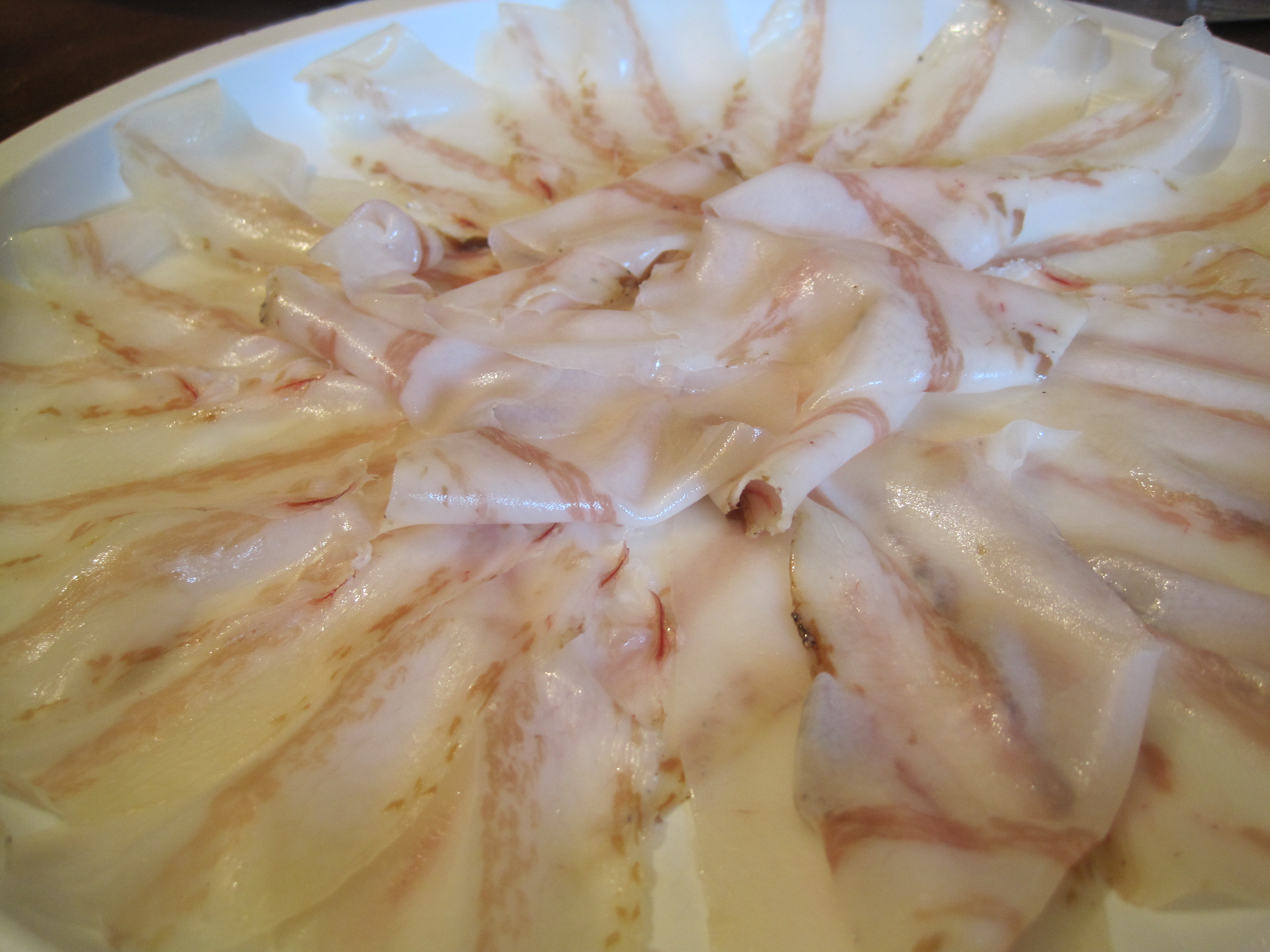
IMG_0941It was developed hundreds of years ago by the shepherds who spent months in the pastures with the sheep, traveling to high mountain meadows in the summer to follow the grazing animals and cooking for themselves.  The original recipe was simple:  cured pork cheek (guanciale), onions and aged pecorino cheese.  These were staples that the shepherds could carry with them and quickly turn into a simple sauce for pasta.  As time went on, the tomato gained popularity and was added to the dish.

It is easy to complicate with the addition of sausage or white wine or parsley, but the original recipe is simple and requires only a few ingredients, provided the ingredients are of excellent quality:  pork cheek or pork belly (guanciale or pancetta) which has been cured with lots of black pepper; sliced or chopped onions;  aged pecorino cheese such as pecorino romano which is generously grated over the top.  Tomato sauce is optional but I like to use it.

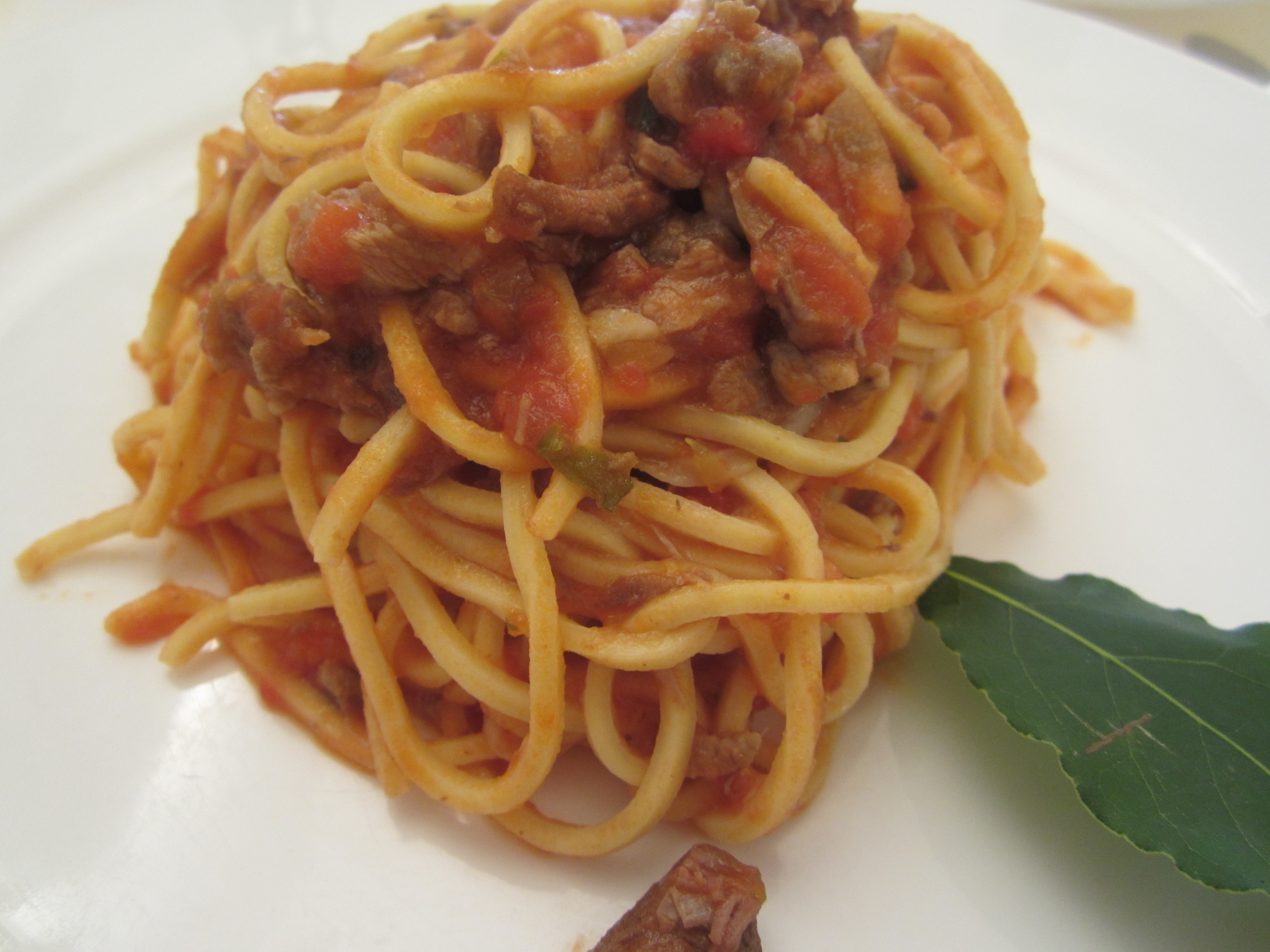
Amatriciana is traditionally tossed with bucatini pasta, a thick spaghetti with a hole through the middle.  Made with semolina and water, it comes dried in a box and can be found in specialty stores and is a common pasta in the Rome area.  You can use another dried pasta such as spaghetti or spaghettini, but I like to use homemade spaghetti alla chitarra, made with semolina, water and olive oil, and cut by hand on a chitarra, or “guitar”.  It’s commonly used in the Abruzzo area just to the south, which sustained a major earthquake in 2009.

The 50th annual sagra of spaghetti all’Amatriciana was scheduled for this weekend.  Sadly, I doubt the town will ever recover to hold another one.  At the Italian Table will be making this pasta all weekend and raising a toast to the people who survived while saying a prayer for those who lost their lives.  God bless all those in central Italy who are affected and all those who are there helping and giving aid.

Pasta all’AmatricianaIMG_0874

1/4 cup olive oil

1 medium onion, chopped

2 garlic cloves, chopped

8 oz guanciale or pancetta, cubed

6 cups tomatoes, crushed with juices

1 cup grated pecorino cheese

sea salt

The pork cheek or belly should be well cured with black pepper and very fatty.  If you can’t find that, use the fattiest pancetta you can get and add black better while it’s sauteing.

Sauté the guanciale or pancetta in a medium sauce pan, using a small amount of the olive oil.  Remove to side and sauté onion and garlic in olive oil until soft, adding additional olive oil if necessary.  Return the meat to the pan,  add the tomatoes and salt and freshly ground pepper, simmer for 30 minutes. Toss with cooked spaghetti, or use the more traditional bucatini if you can find them.  At the restaurant, we use homemade spaghetti alla chitarra.  Serve with lots of grated pecorino romano cheese.

Filed Under: Abruzzo, Cured meats, Lazio, Sagre e Feste Tagged With: amatrice, amatriciana, central italy, pasta, spaghetti all'amatriciana

  • « Previous Page
  • 1
  • …
  • 6
  • 7
  • 8
  • 9
  • 10
  • …
  • 36
  • Next Page »

Recent Posts

  • Italian Cuisine in the World!
  • Warming Winter soups
  • Visit Emilia Romagna
  • Chestnuts for the Fall
  • Anchovies & colatura, ancient Italian umami

Categories

  • Abruzzo
  • aperitivo
  • Basilicata
  • Blog Categories
  • Campania
  • cheese
  • chianti classico
  • Cured meats
  • dessert
  • Emilia Romagna
  • festive Italian dishes
  • Frittura
  • Lazio
  • Louisville
  • meats
  • olives/olive oil
  • Pasta
  • Piedmont
  • Puglia
  • Sagre e Feste
  • Salt
  • seasonal & summer fruit
  • seasonal vegetables
  • Sicily
  • soups
  • Spices
  • supper club
  • Tuscany
  • Veneto
  • Wine
  • winter
Interested in seeing Italy with Chef Gina?
Then check out her schedule of immersion cooking classes and tours in Italy through Ecco La Cucina!

Handcrafted with on the Genesis Framework